Spectral flow cytometry offers several advantages over conventional flow cytometry but may be more affected by spreading error Spectral flow cytometry was first described in 2004 by the Robinson group at Purdue University Cytometry Laboratories. Since then, several...
Confocal microscopy offers several advantages over traditional widefield microscopy and has evolved to meet many different research needs Originally developed by Marvin Minsky in the 1950s to address the problem of light scatter, confocal microscopy has become an...
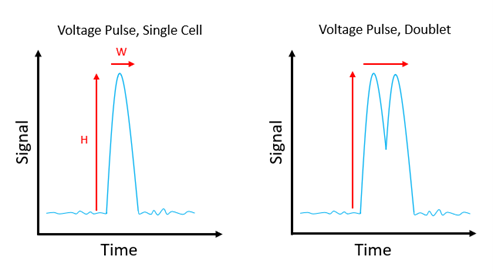
Failure to correctly identify cell-cell complexes can lead to data being misinterpreted and compromise the purity of sorted cell populations Multiparametric flow cytometry allows researchers to detect different cell types within a heterogeneous population. When...
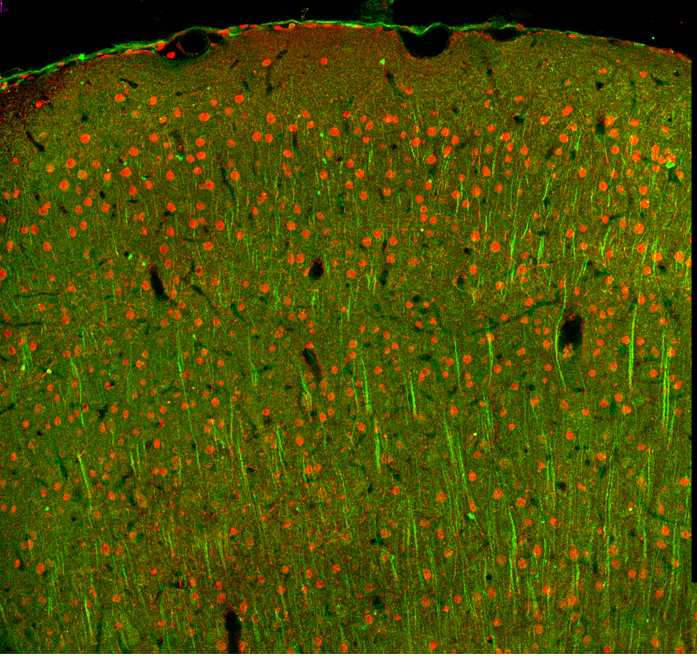
Choosing the right antibody for the intended application and sample type is critical to producing reliable results Antibodies are essential tools for applications ranging from flow cytometry, immunocytochemistry (ICC), and immunohistochemistry (IHC) to Western...
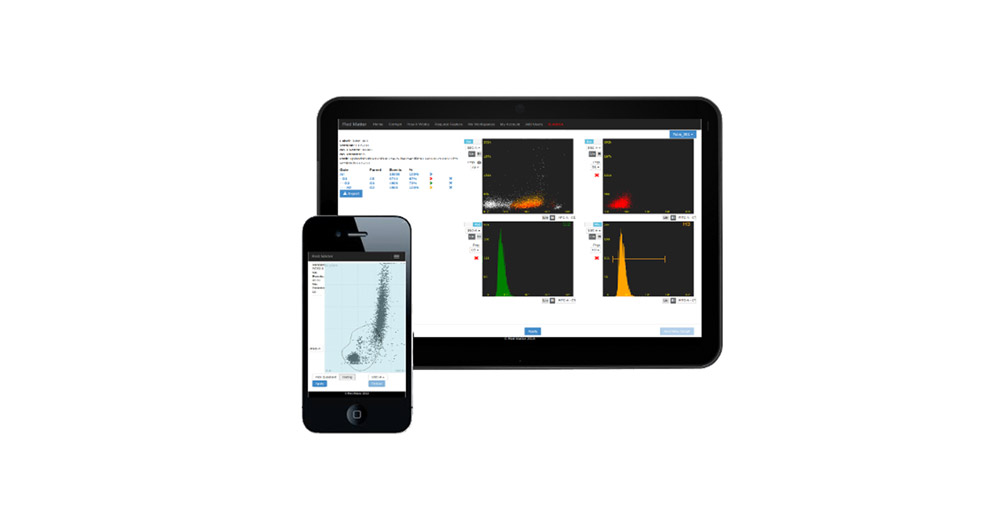
Software packages for viewing and analyzing FCS data files offer different features and benefits Data analysis represents a major source of variation in flow cytometry. Not only is the analysis process highly prone to user subjectivity, but disparities may arise due...
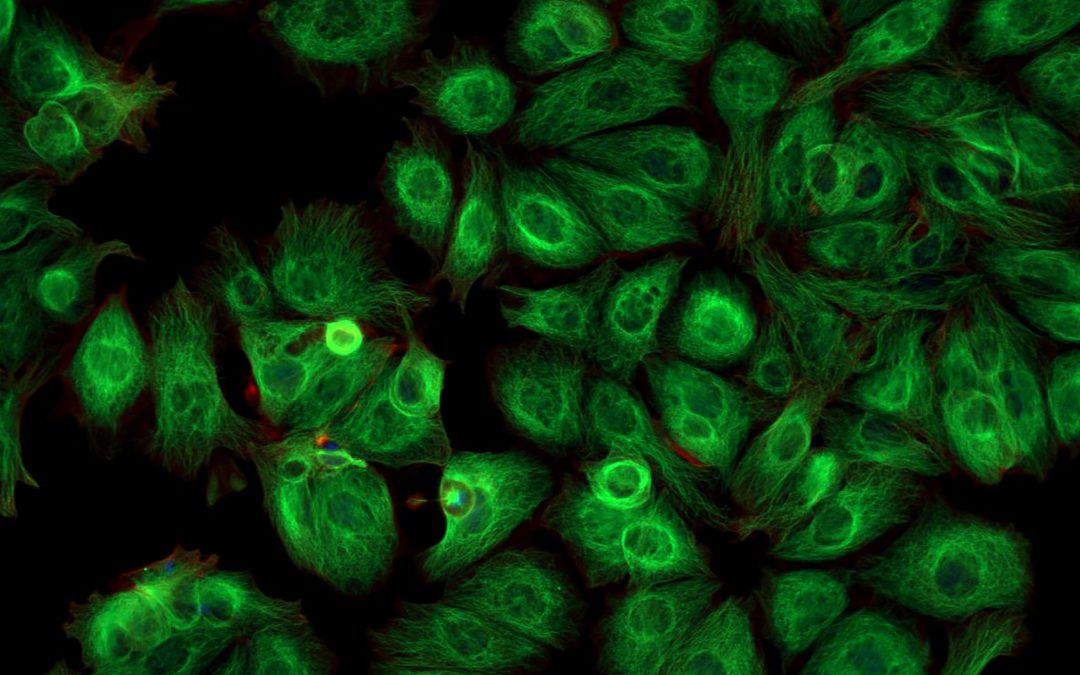
Fluorescent proteins have enabled countless scientific discoveries, but they have their limitations For decades, researchers have been fascinated by the ability of certain living organisms to emit light. However, it was not until 1962 that this phenomenon was first...