Advances in Western Blot Technologies
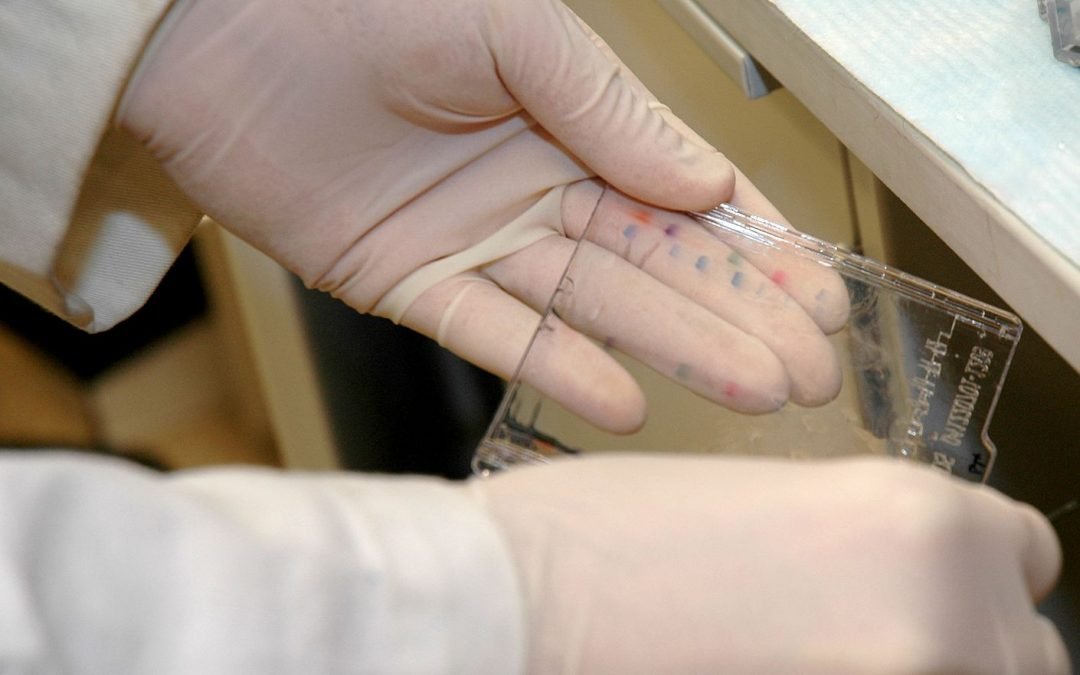
New approaches to Western blotting techniques overcome performance limitations For over 40 years, researchers have used Western blot for protein identification. Not only does Western Blot provide confirmation that a target of interest is present in a sample, this...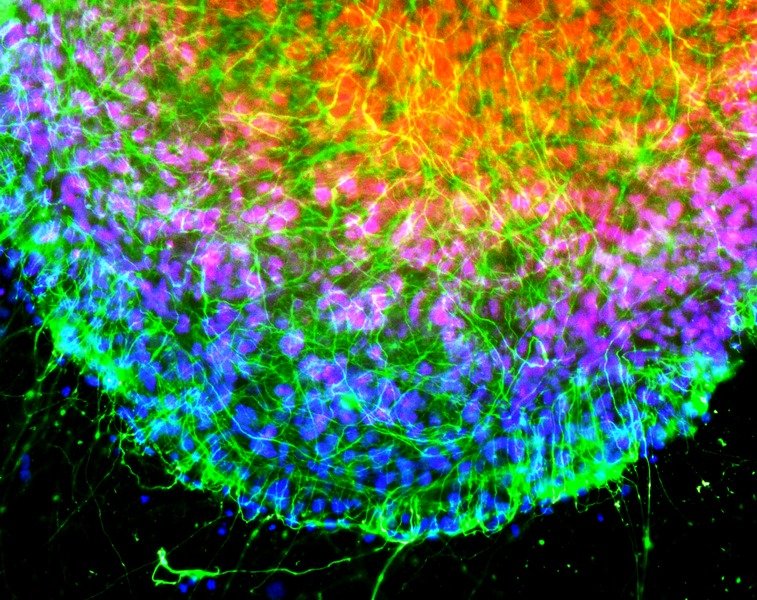
Expansion Microscopy
Expansion Microscopy physically expands biological specimens enabling higher resolution imaging First described in 2015, expansion microscopy is an imaging technique that improves on the resolution of conventional light microscopy by physically expanding the...
Flow Cytometry in Stem Cell Research and Therapy
Identifying distinct stem cell types and monitoring their differentiation is essential for developing novel therapies Stem cell research originated in the 1950s when it was discovered that mice which had received a lethal dose of radiation could recover...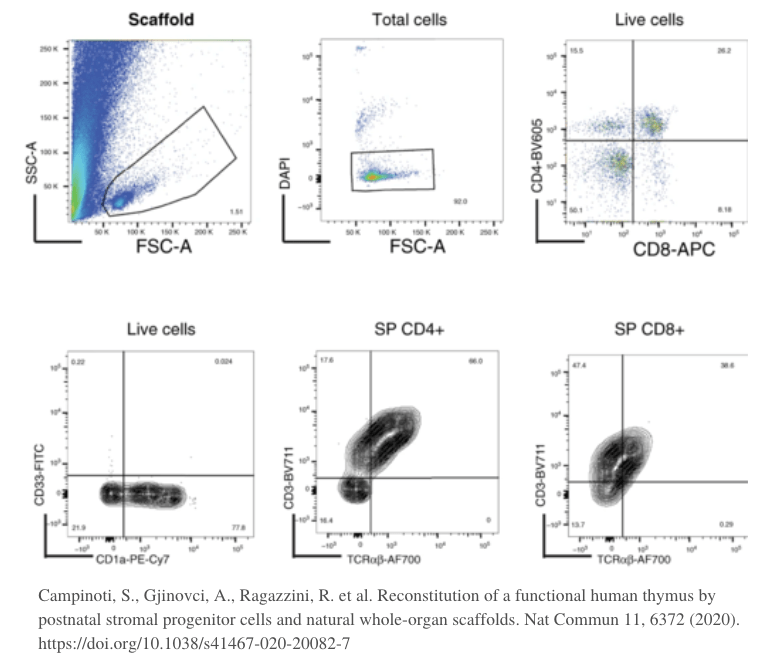
Excluding Dead Cells With a Cell Viability Fluorescent Dye
Excluding dead cells from flow cytometry analysis with a cell viability fluorescent dye is critical for producing accurate results The presence of dead cells in samples that will be analyzed by flow cytometry can affect antibody staining and lead to inaccurate...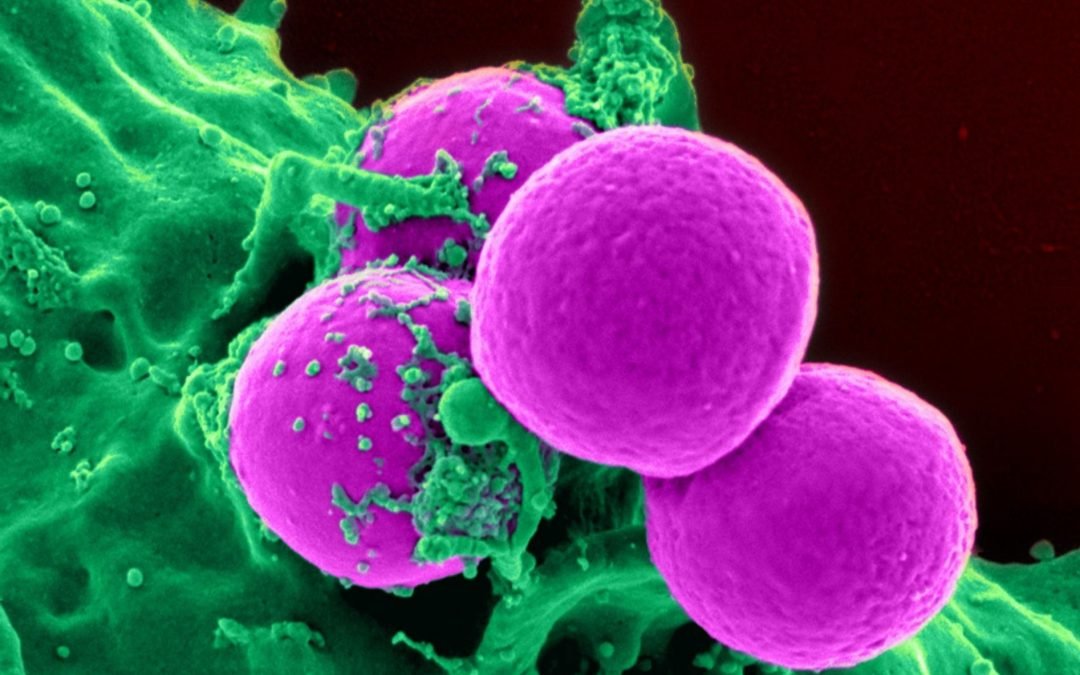
Newsletter: Imaging and Analysis of 3D Cell Cultures
Compared to traditional monolayers, 3D cell cultures more closely resemble physiological conditions 2-dimensional (2D) cell cultures consisting of monolayers attached to a flat surface have been a mainstay of scientific research for decades. However, cells grown in...