Identifying distinct stem cell types and monitoring their differentiation is essential for developing novel therapies Stem cell research originated in the 1950s when it was discovered that mice which had received a lethal dose of radiation could recover...
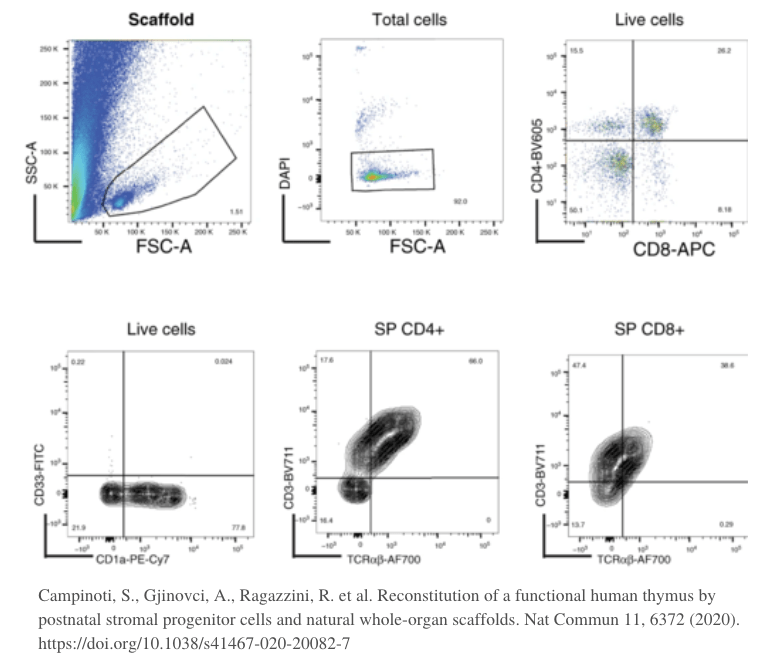
Excluding dead cells from flow cytometry analysis with a cell viability fluorescent dye is critical for producing accurate results The presence of dead cells in samples that will be analyzed by flow cytometry can affect antibody staining and lead to inaccurate...
Compared to traditional monolayers, 3D cell cultures more closely resemble physiological conditions 2-dimensional (2D) cell cultures consisting of monolayers attached to a flat surface have been a mainstay of scientific research for decades. However, cells grown in...
Spectral flow cytometry offers several advantages over conventional flow cytometry but may be more affected by spreading error Spectral flow cytometry was first described in 2004 by the Robinson group at Purdue University Cytometry Laboratories. Since then, several...
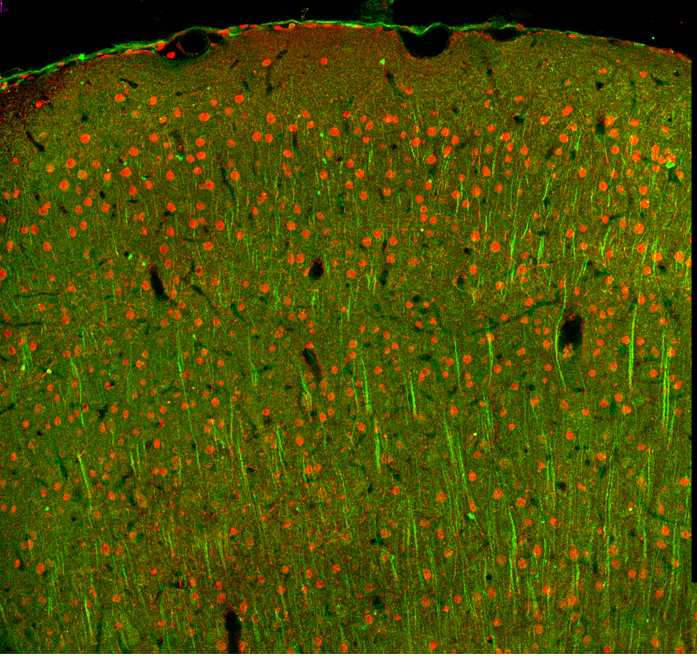
Confocal microscopy offers several advantages over traditional widefield microscopy and has evolved to meet many different research needs Originally developed by Marvin Minsky in the 1950s to address the problem of light scatter, confocal microscopy has become an...
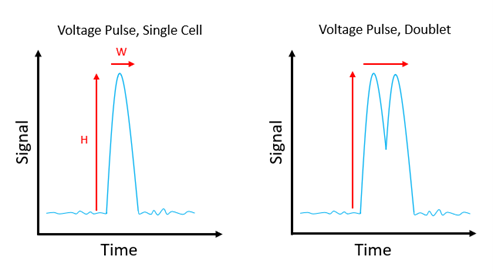
Failure to correctly identify cell-cell complexes can lead to data being misinterpreted and compromise the purity of sorted cell populations Multiparametric flow cytometry allows researchers to detect different cell types within a heterogeneous population. When...