Microscopy is comprised of many innovative technologies and remains at the forefront of scientific research. Since the invention of the microscope in the late 16th century, there has been a continual push to produce instruments with higher resolution, faster...
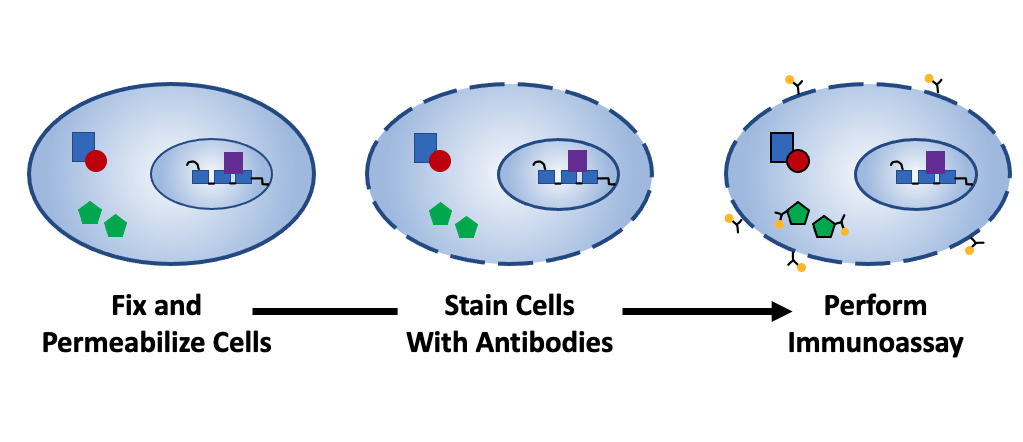
Fixation and permeabilization are key protocol steps for several core immunoassay techniques Immunoassay techniques such as flow cytometry, immunocytochemistry (ICC), and immunohistochemistry (IHC) often require that samples be fixed and/or permeabilized prior to...
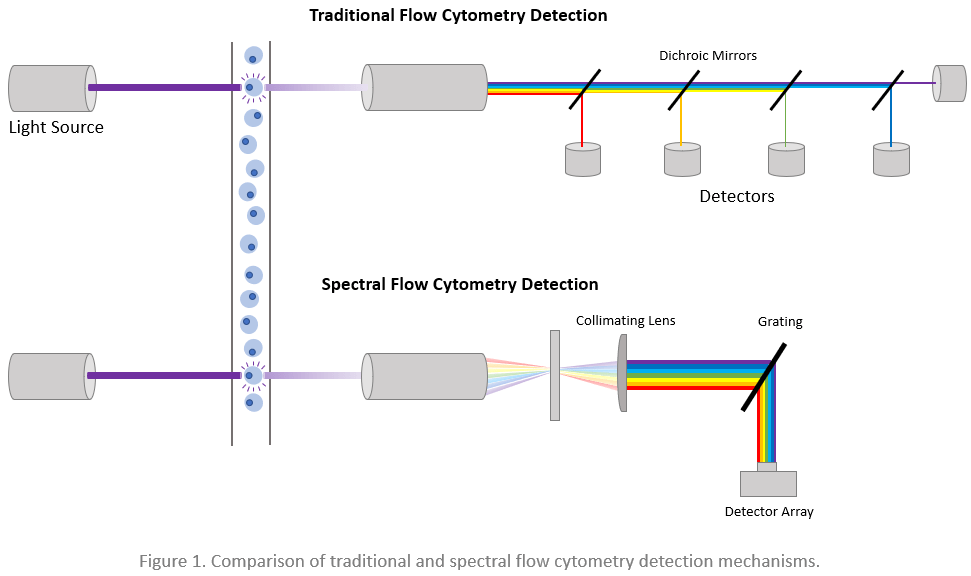
The use of spectral flow cytometry is increasing due to the many benefits it affords. Spectral flow cytometry is a relatively new technology that was developed to push the boundaries of traditional flow cytometry. First described in 2004 by researchers at Purdue...
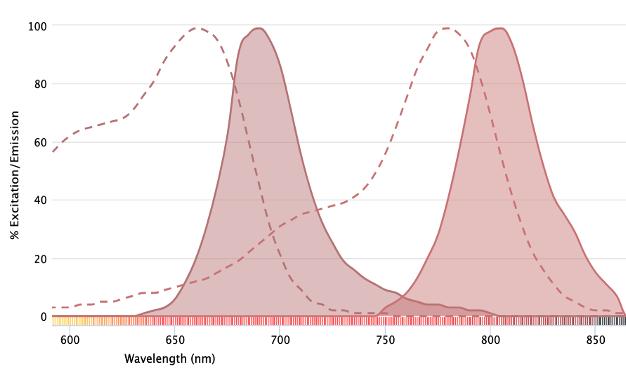
Near-infrared fluorophores offer several advantages for imaging applications. A major advantage of fluorescent detection is that it enables multiple antibodies to be combined in the same experiment. Using techniques such as immunocytochemistry (ICC) and...
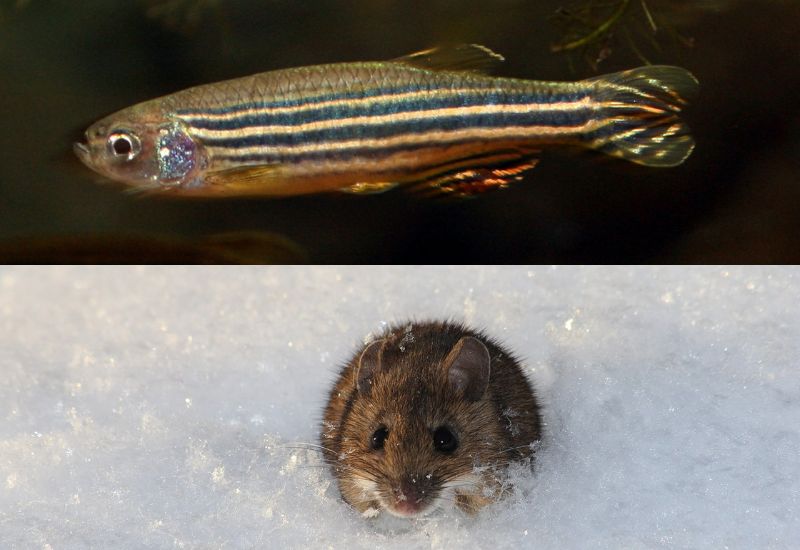
Fluorescence microscopy is seeing increased utility for imaging organisms While fluorescence microscopy has long been employed for imaging plated mammalian cells, its use for visualizing organisms is flourishing. In recent years, winning images in Nikon’s annual Small...
High viabilities, well-preserved antigens, and minimal clumping underpin flow cytometry success Unlike bulk population analysis techniques such as ELISA and Western blot, flow cytometry provides information about individual cells. Although microscopy does this as...