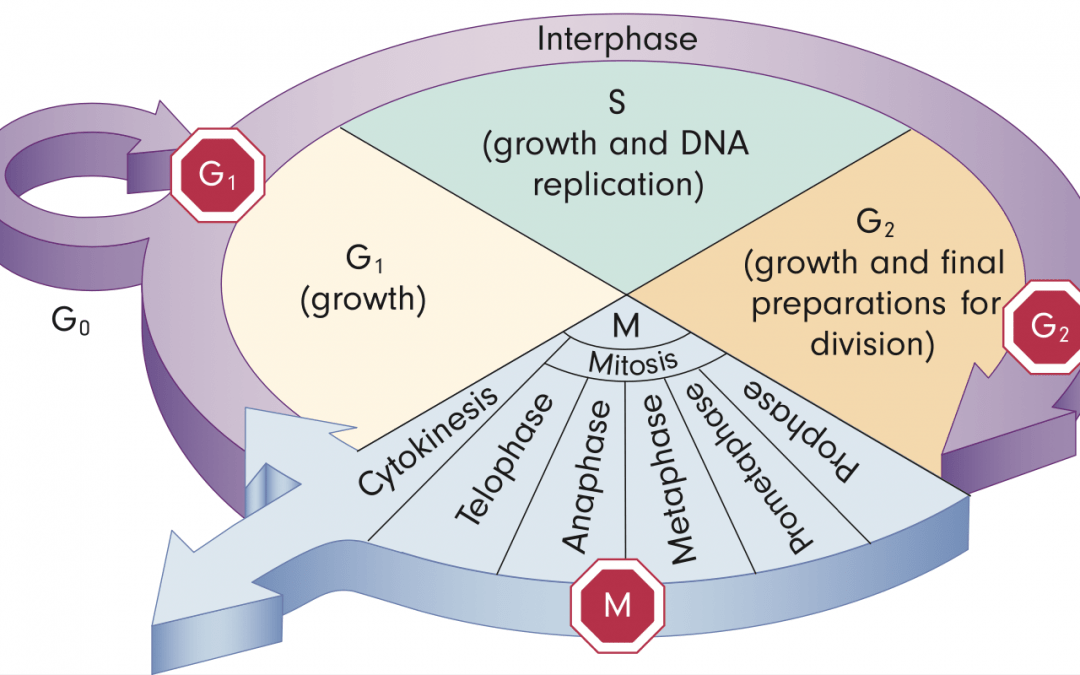
Aberrant cell proliferation and cell death underlie a multitude of disease states Normal tissue homeostasis depends on a critical balance between cell proliferation and cell death. The cell cycle regulates the former, while the latter occurs via controlled...
Intravital microscopy has vast potential to reveal hidden cellular mechanisms Intravital microscopy (IVM) is a term used to describe the direct visualization of cells and tissues within a living organism. It was first reported in the 17th century, shortly after...
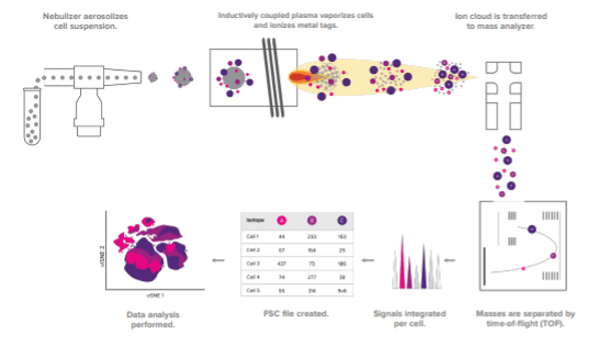
The use of mass cytometry is growing and includes its adoption for clinical applications Mass cytometry is a variation of flow cytometry that uses antibodies labeled with metal tags rather than fluorophores. Also known as CyTOF® flow cytometry, in deference to...
Fluorescent immunoassays meet different experimental needs When immunoassays such as western blot and enzyme-linked immunosorbent assay (ELISA) were first reported, they typically produced either a radiometric or chromogenic signal. However, many common...
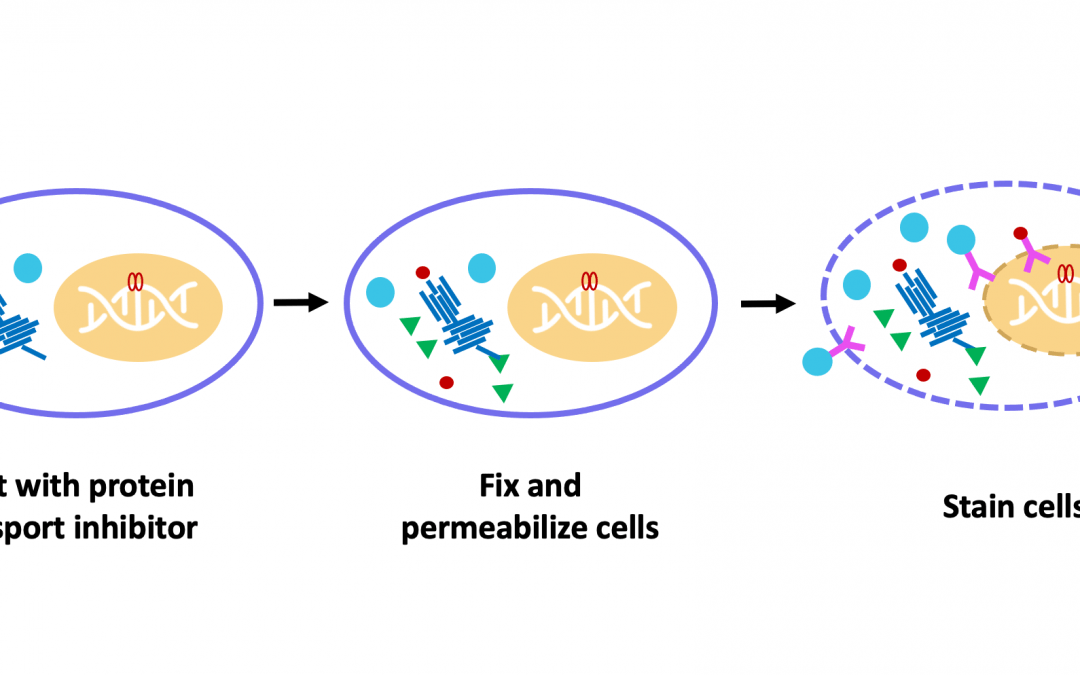
By measuring intracellular proteins with flow cytometry, researchers can better understand cell signaling and functional responses in conditions of health and disease Flow cytometry is widely used for identifying different cell types based on the expression of...
Choosing the right fluorophores for microscopy-based research is critical for accurate results Using fluorescent reagents for microscopy-based research offers several advantages. Not only does fluorescent detection enable multiplexing, which can be especially useful...