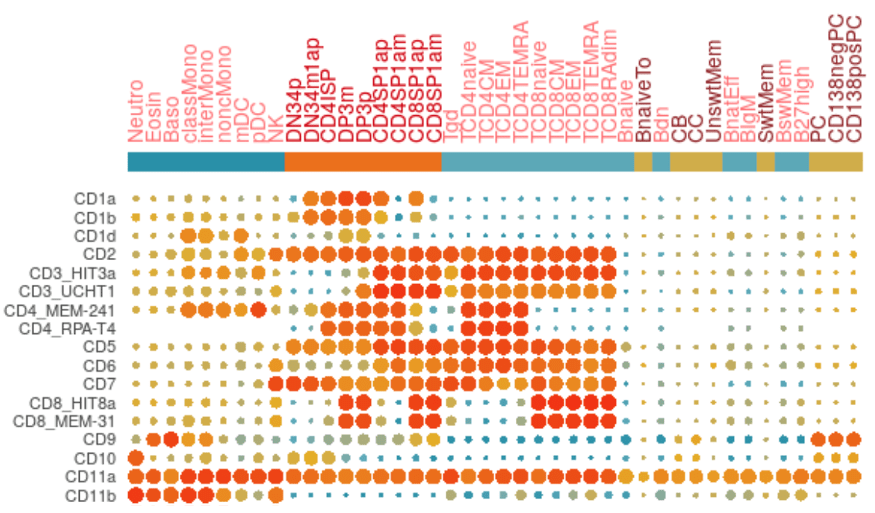
Common problems can often be addressed by optimizing experimental design Flow cytometry is a technique for analyzing individual cells in suspension. It works by using a stream of fluid to direct the cells in single file past an interrogation point, where one or...
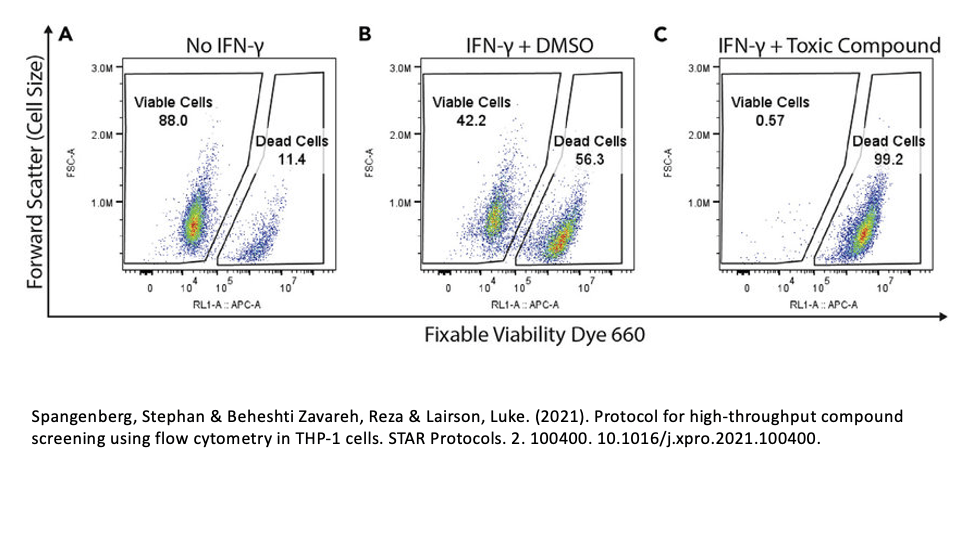
Viability dyes are critical controls for proper flow analysis. The presence of dead cells can result in unwanted autofluorescence, cell aggregation, non-specific antibody binding, and a compromised capacity for RNA/DNA to proliferate in downstream applications. These...
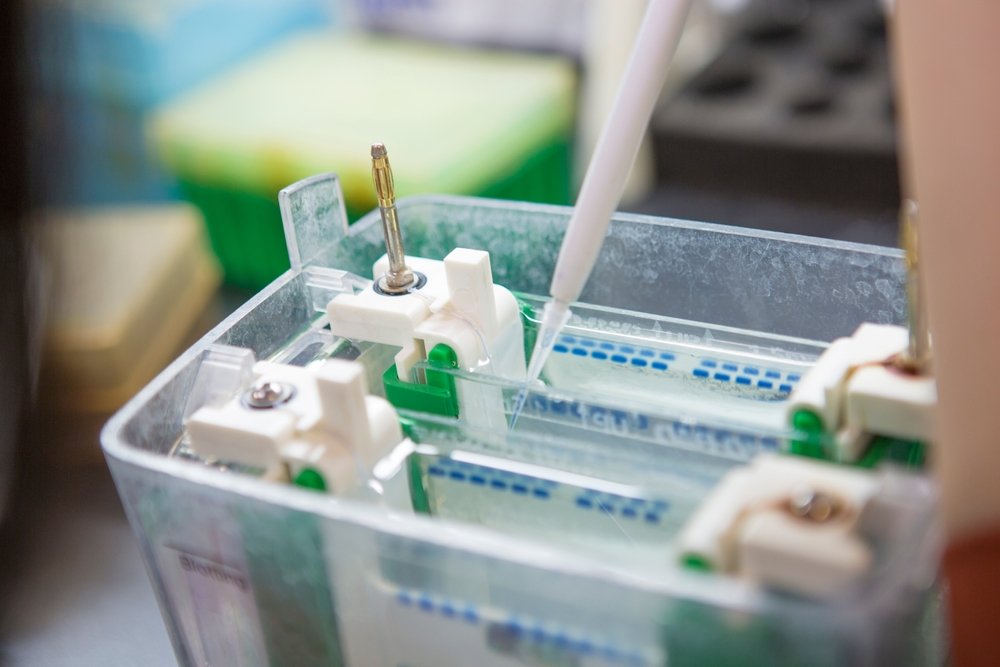
Fluorescent western blot detection can offer many advantages provided protocols are carefully optimized While it was once common for researchers to use enzyme-labeled antibodies and chemiluminescent substrates to develop western blots to film, there has been a...
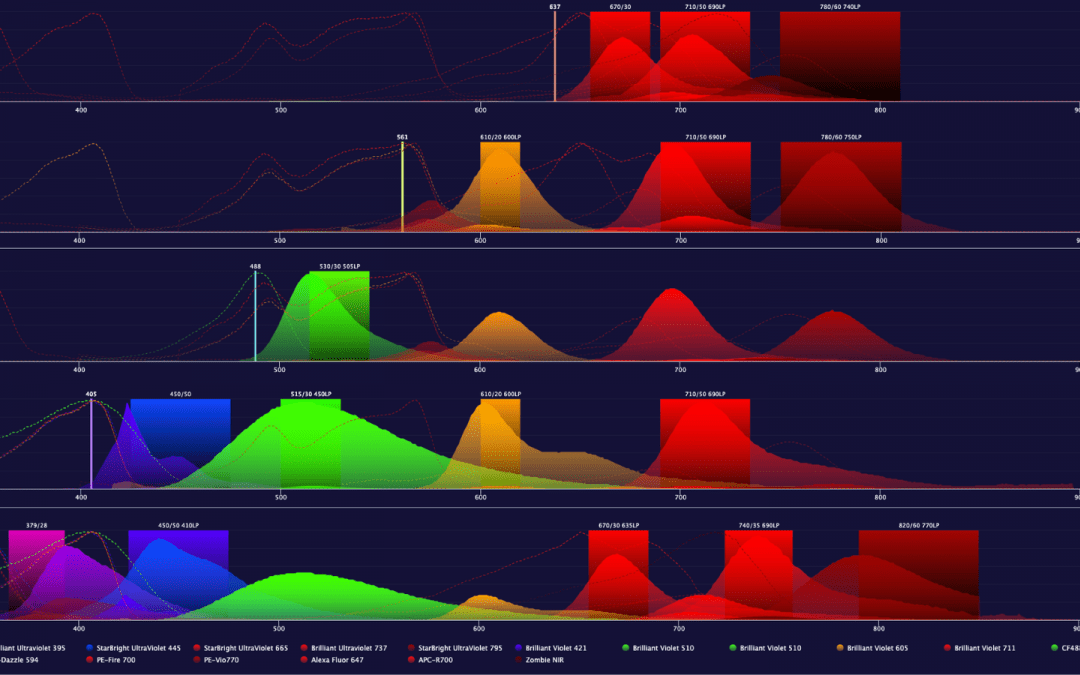
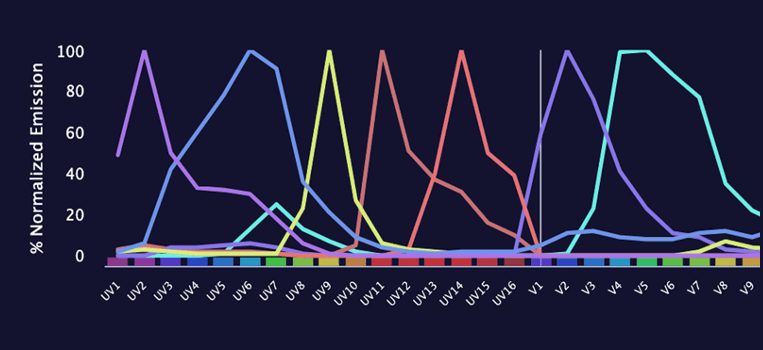
Spectral cytometry offers increased flexibility for fluorophore selection but researchers should still apply best practices for panel design. It has been almost 20 years since spectral cytometry was first described by the Robinson group at Purdue University...
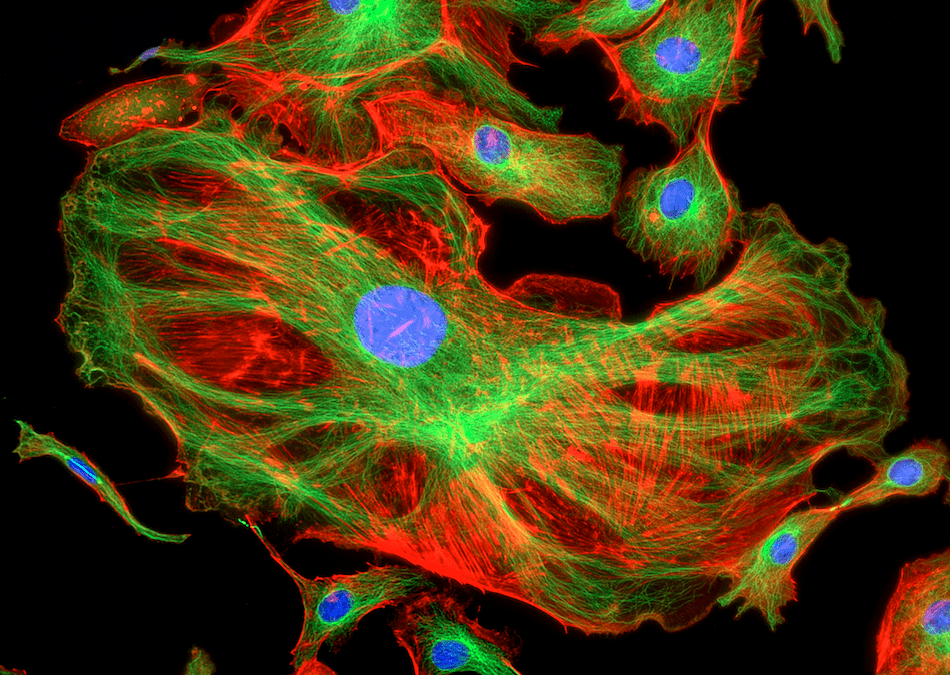
Protocol optimization is essential for clear, reproducible results Fluorescence microscopy uses fluorophore-labeled antibodies and other fluorescent reagents to visualize targets of interest in cells and tissues. Experiments can be as simple as detecting one...
Understanding the biological density of proteins or antigens expressed by each individual cell is an imperative component of all cell-based analytical methods. The comparative change in protein expression, also called antigen density, is indicative of the...