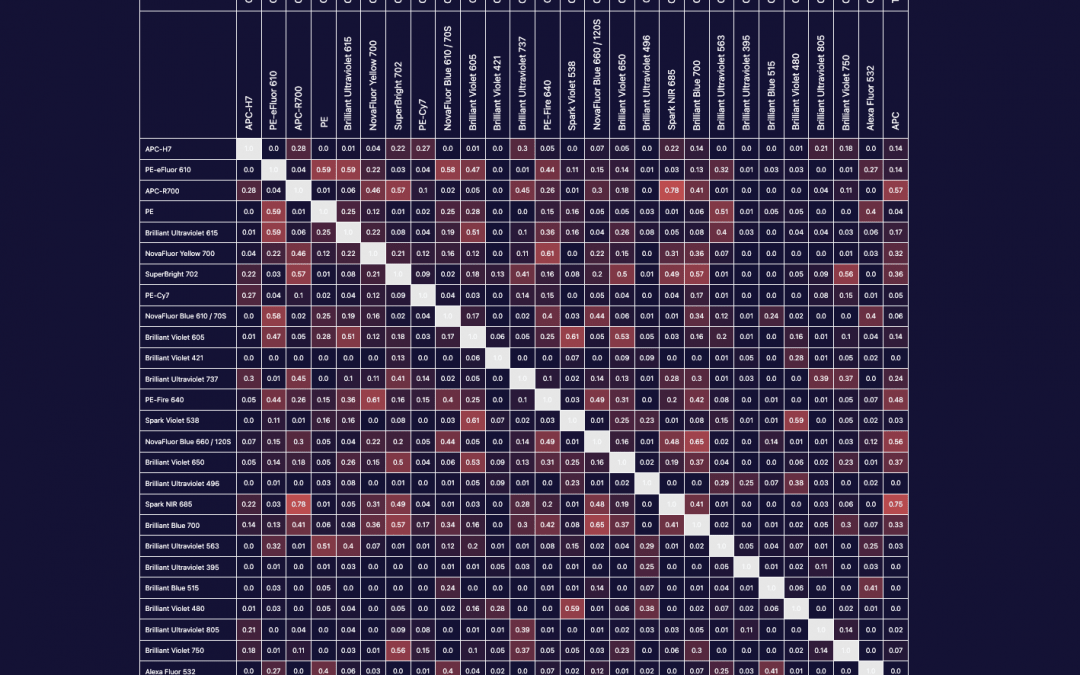
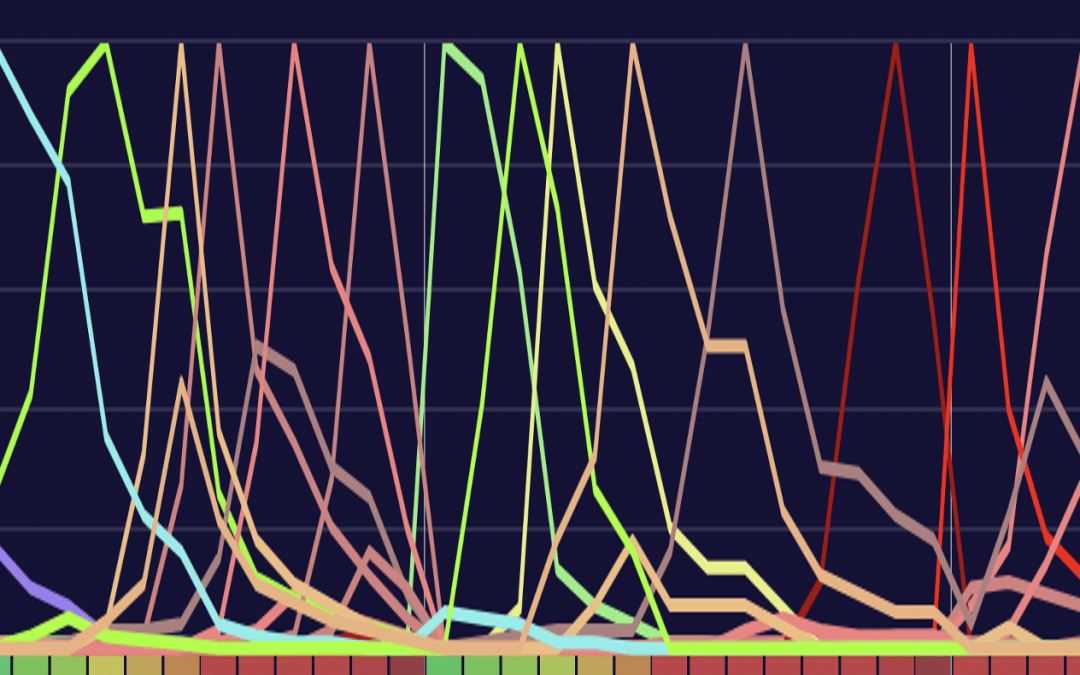
Whether you are using a traditional cytometer that employs compensation and does not exceed 18 colors or a spectral cytometer that employs an unmixing algorithm and has the potential, currently, to analyze 50 color panels, the basic tenets of flow cytometry panel...
In 2004, Perfetto and Roederer published the first paper detailing a 17-color flow cytometry experiment by incorporating a relatively new octagon emission array off the violet 405nm laser (1). The additional laser and 8 additional channels for violet excited...
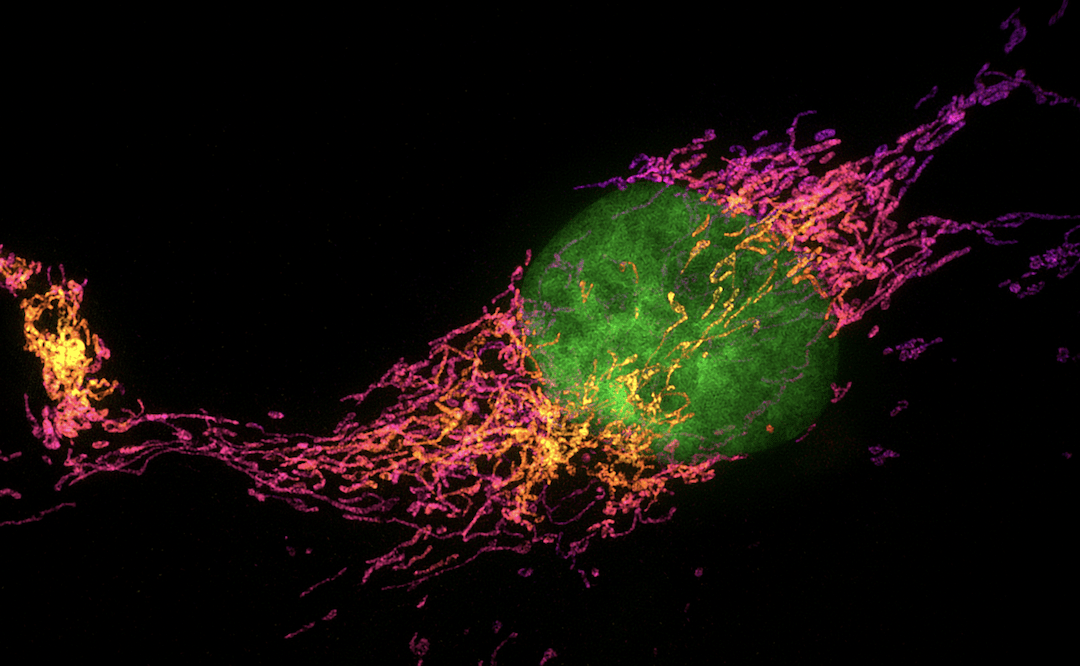
The selection of method and fluorophores for super-resolution microscopy depends on several considerations. Fluorescence microscopy is one of the most widely used imaging modalities for scientific research owing to its capacity for multiplexed detection and its...
Stem cells offer vast potential for new medical treatments With the unique abilities to self-renew and rebuild functional tissues, stem cells have long been of interest to researchers as potential tools for regenerative medicine. 2006 saw a major turning point...
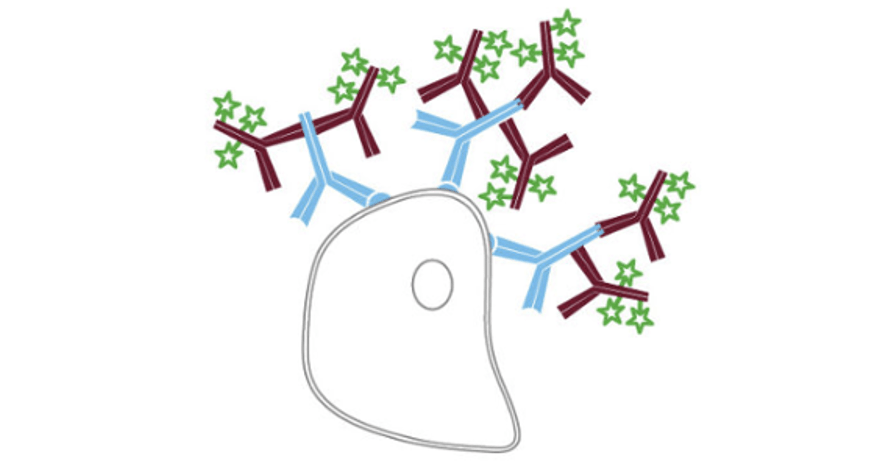
Selecting the right secondary antibodies, and optimizing them for use, is essential for reliable immunoassay data. When developing an immunoassay, researchers typically pay close attention to primary antibodies, carefully scrutinizing the product datasheets for...
Application-specific validation is critical for reproducible results Antibodies are essential tools for a broad range of research techniques. However, for data to be both accurate and reproducible, antibodies should be thoroughly validated for each of the...