In recent years, technologies for single-cell analysis have evolved rapidly, revealing huge differences between cells once categorized as being the same type. This variability is most apparent within the cells of the immune system, which must undergo multiple dynamic...
The “optimized multicolor immunofluorescence panel” OMIP publication format was launched 11 years ago as a collaborative platform to establish criteria for experimental design, data collection, and analysis [1]. An OMIP is, by definition, a peer-reviewed publication...
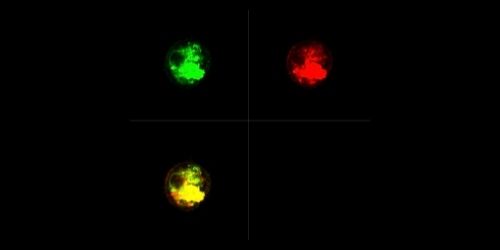
A technique that combines flow cytometry with digital microscopy promises novel insights Imaging flow cytometry (IFC) has seen increased uptake in recent years, largely due to instrumentation and software improvements that have made the technique more accessible. By...
The widespread adoption of fluorescence applications is a testament to the importance of fluorescent dyes in biochemical and biological research. The speed, reproducibility, and sensitivity of fluorescence-based analysis methods explain their rapid adoption in all...
Typing “flow cytometry” into the Google search box returns 11,300,000 results! A daunting amount of information to process for anyone approaching the technology for the first time. To help anyone wanting to learn more about flow cytometry navigate this huge body of...
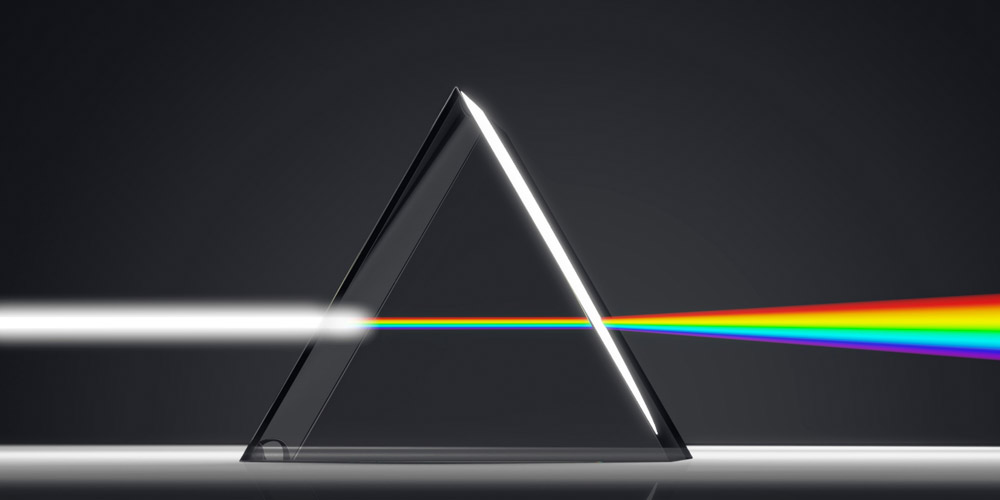
The recent publication of a 43 color panel for the characterization of Peripheral Blood Mononuclear Cells (PBMC) is yet another example of the multiplexing potential of spectral flow cytometry. The technology, first demonstrated by Dr. Paul Robinson at Purdue...