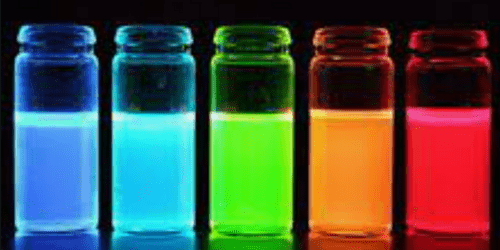
The widespread adoption of fluorescence applications is a testament to the importance of fluorescent dyes in biochemical and biological research. The speed, reproducibility, and sensitivity of fluorescence-based analysis methods explain their rapid adoption in all...
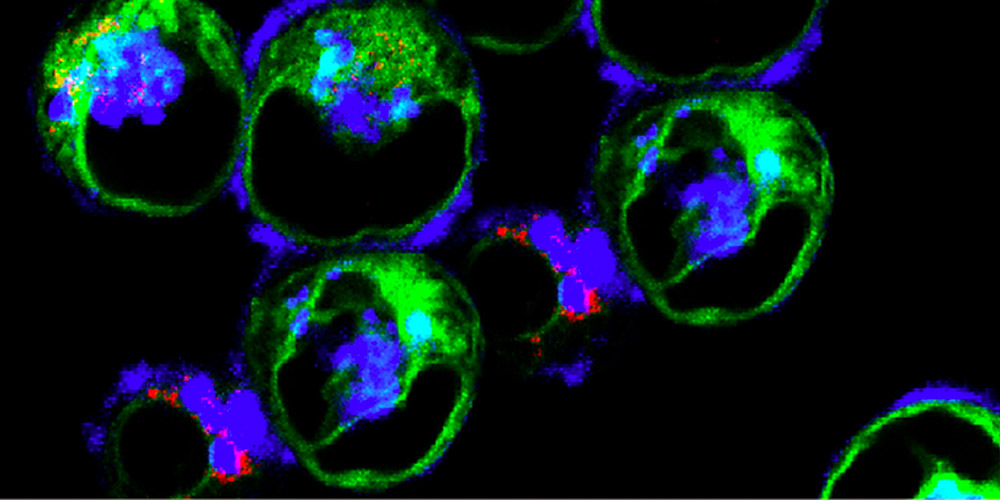
Typing “flow cytometry” into the Google search box returns 11,300,000 results! A daunting amount of information to process for anyone approaching the technology for the first time. To help anyone wanting to learn more about flow cytometry navigate this huge body of...
The recent publication of a 43 color panel for the characterization of Peripheral Blood Mononuclear Cells (PBMC) is yet another example of the multiplexing potential of spectral flow cytometry. The technology, first demonstrated by Dr. Paul Robinson at Purdue...
Enhance the quality of your flow cytometry data by using recombinant antibodies Recombinant antibodies have many advantages over conventional antibody reagents. These include exceptional batch-to-batch reproducibility, highly scalable in vitro production, and the...
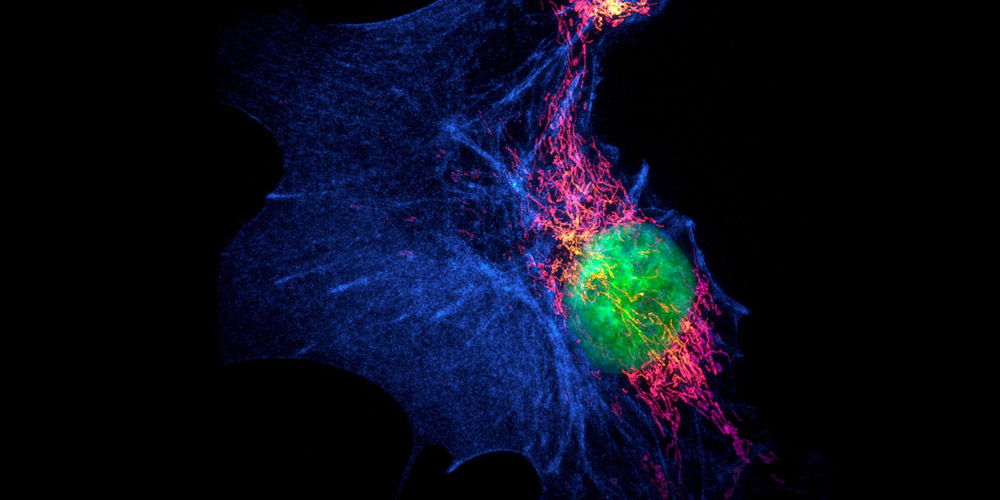
Breaking through the diffraction barrier for deeper biological insights Super-resolution microscopy (SRM) improves conventional fluorescence microscopy by achieving higher resolution. It enables fine mapping of structures such as microtubule protofilaments,...
Analysis of flow cytometry data requires the identification of a homogenous cell population. This is achieved in a multistep process known as gating. It involves narrowing down the parameters that define the cell population of interest and excluding dead cells and...