Whether preformulated or made in-house, buffers are integral to flow cytometry success Flow cytometry allows researchers to characterize individual cells using fluorophore-labeled antibodies for detecting targets of interest. Sample preparation, antibody...
Non-conventional optics and advanced algorithms are extending the capabilities of classic microscopy. For centuries, researchers have tried to improve the resolution and sensitivity of optical microscopy. Over time, advances in fluorescence imaging modalities...
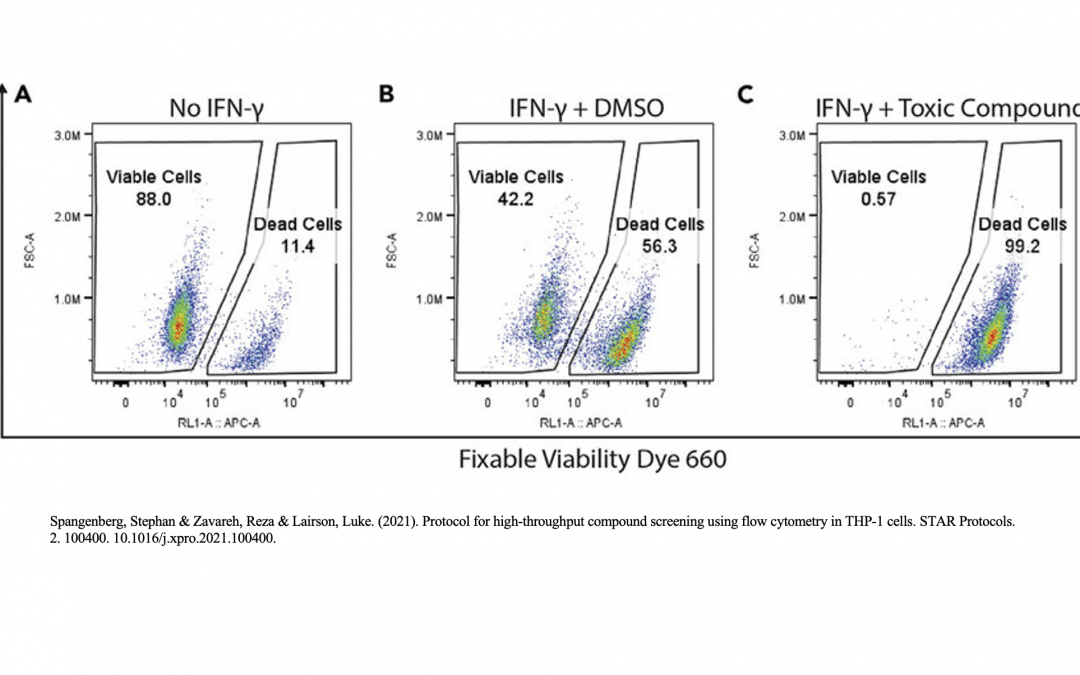
Flow cytometry controls must address multiple sources of variation Flow cytometry requires more controls than other immunoassay techniques because it accounts for a greater number of potential sources of variation. In addition to experimental controls that...
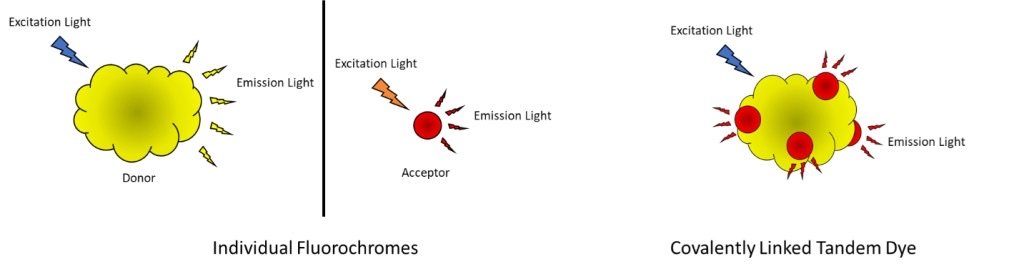
The commercial availability of antibody-linked fluorescent dyes has expanded rapidly over the past decade. Where researchers were once limited to a handful of common dyes (FITC, PE, APC, PerCP, etc.), they can now choose from an extensive list of fluorescent dye lines...
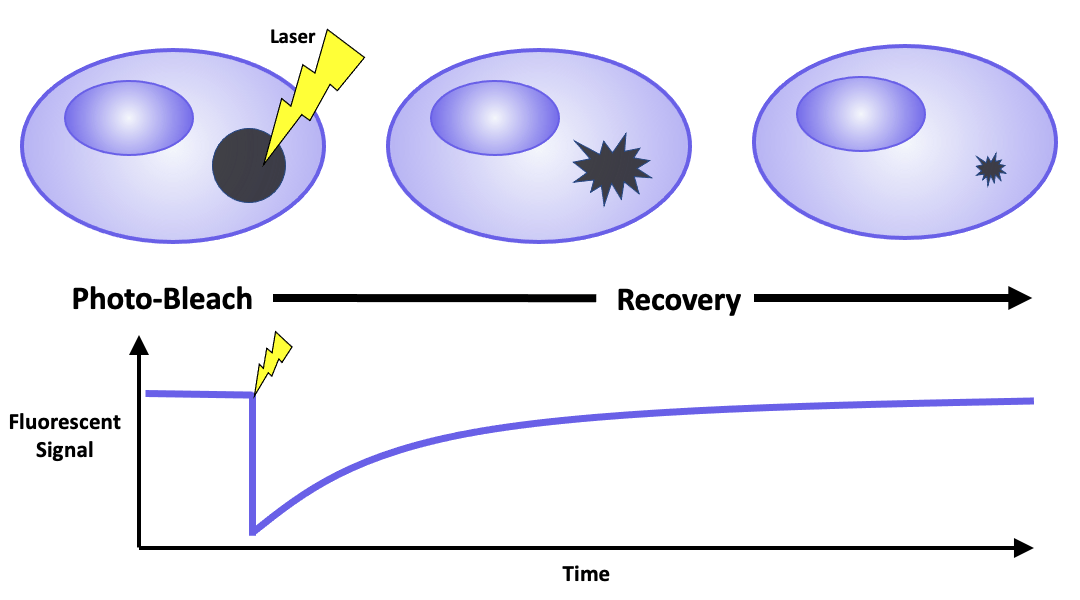
Fluorescence recovery after photobleaching is a technique for characterizing the mobility of cellular molecules Fluorescence recovery after photobleaching (FRAP), also known as fluorescence redistribution after photobleaching, is a microscopy-based technique...
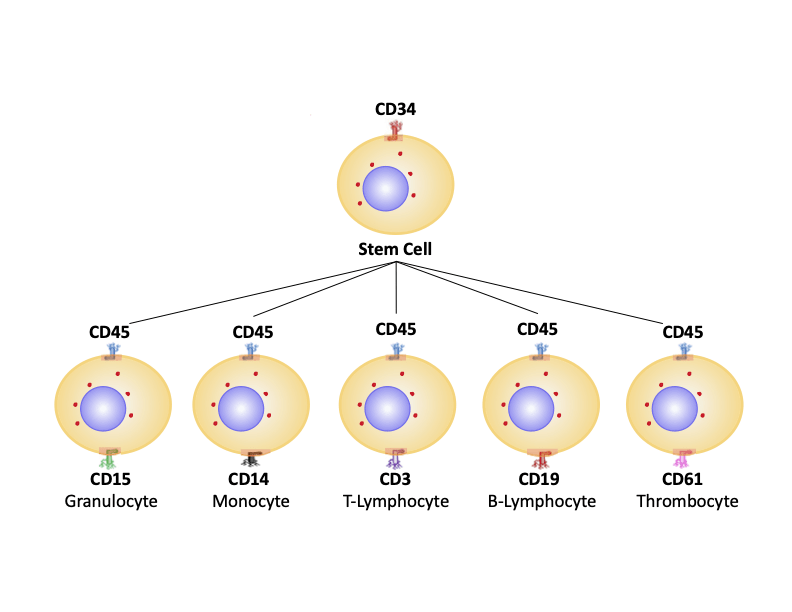
Antibody conjugate panels must be designed with care to ensure accurate results Immunophenotyping is a flow cytometry-based technique which uses fluorophore-labeled antibodies for identifying different cell types within a heterogeneous population. While some cell...