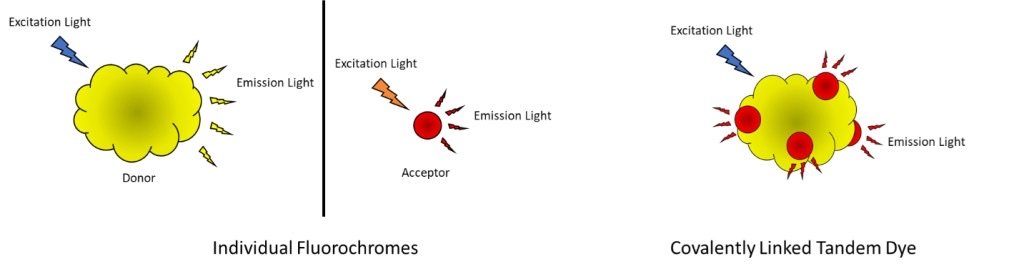
The commercial availability of antibody-linked fluorescent dyes has expanded rapidly over the past decade. Where researchers were once limited to a handful of common dyes (FITC, PE, APC, PerCP, etc.), they can now choose from an extensive list of fluorescent dye lines...
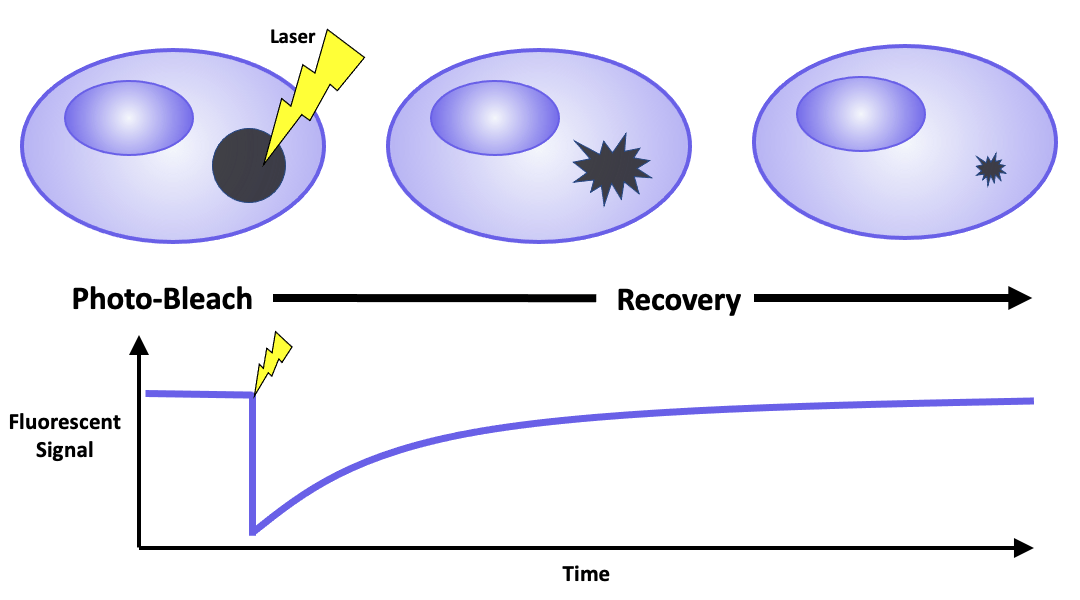
Fluorescence recovery after photobleaching is a technique for characterizing the mobility of cellular molecules Fluorescence recovery after photobleaching (FRAP), also known as fluorescence redistribution after photobleaching, is a microscopy-based technique...
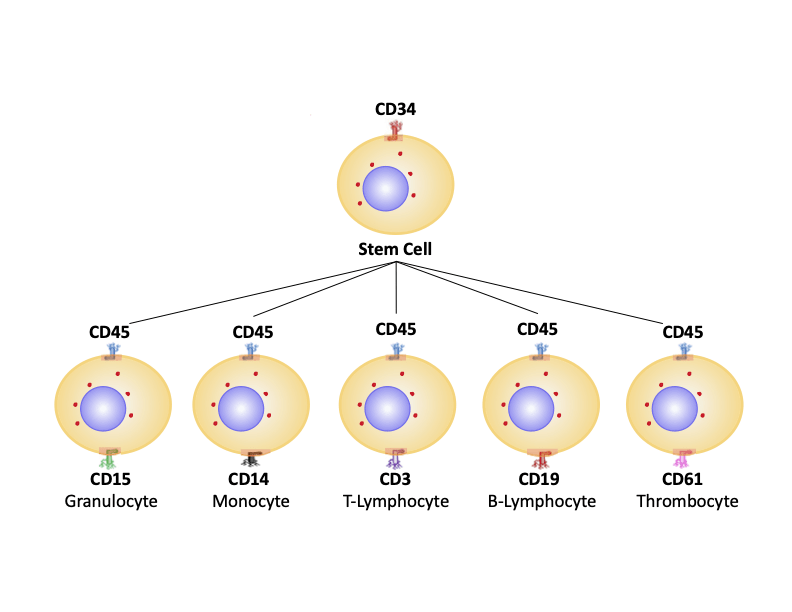
Antibody conjugate panels must be designed with care to ensure accurate results Immunophenotyping is a flow cytometry-based technique which uses fluorophore-labeled antibodies for identifying different cell types within a heterogeneous population. While some cell...
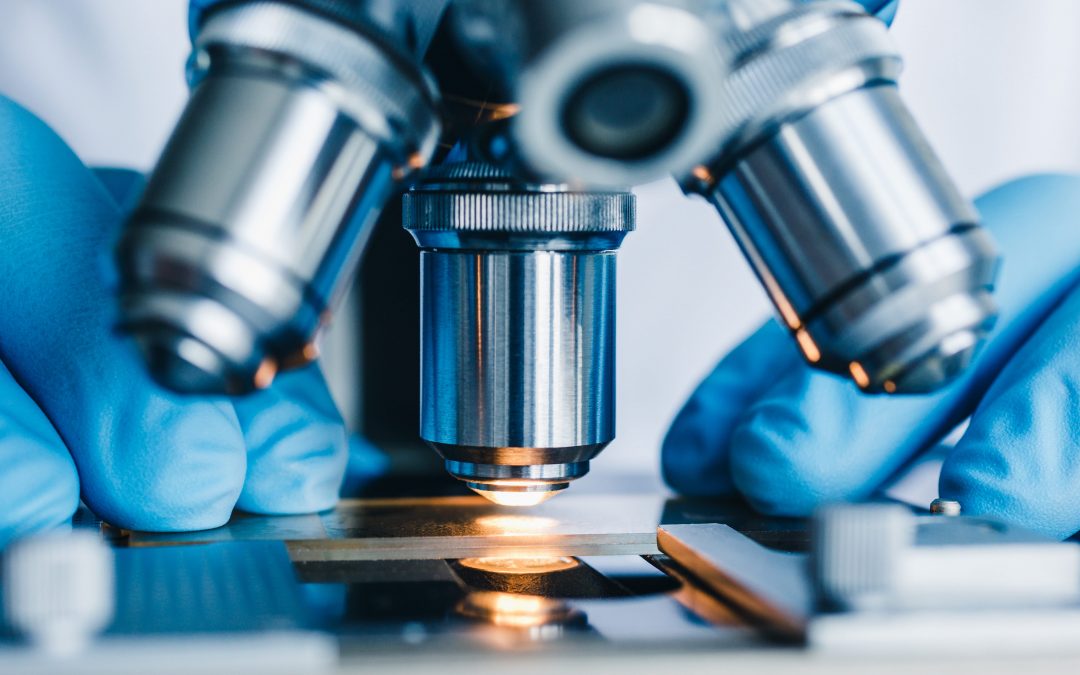
Microscopy is comprised of many innovative technologies and remains at the forefront of scientific research. Since the invention of the microscope in the late 16th century, there has been a continual push to produce instruments with higher resolution, faster...
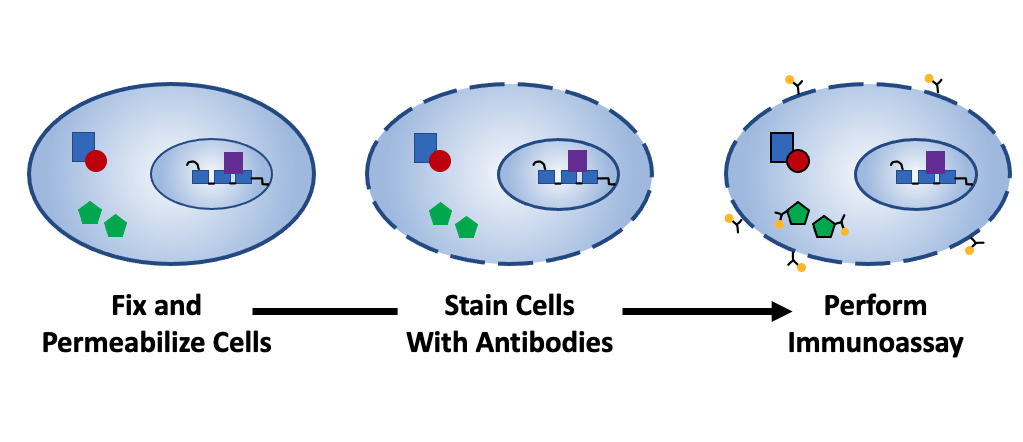
Fixation and permeabilization are key protocol steps for several core immunoassay techniques Immunoassay techniques such as flow cytometry, immunocytochemistry (ICC), and immunohistochemistry (IHC) often require that samples be fixed and/or permeabilized prior to...
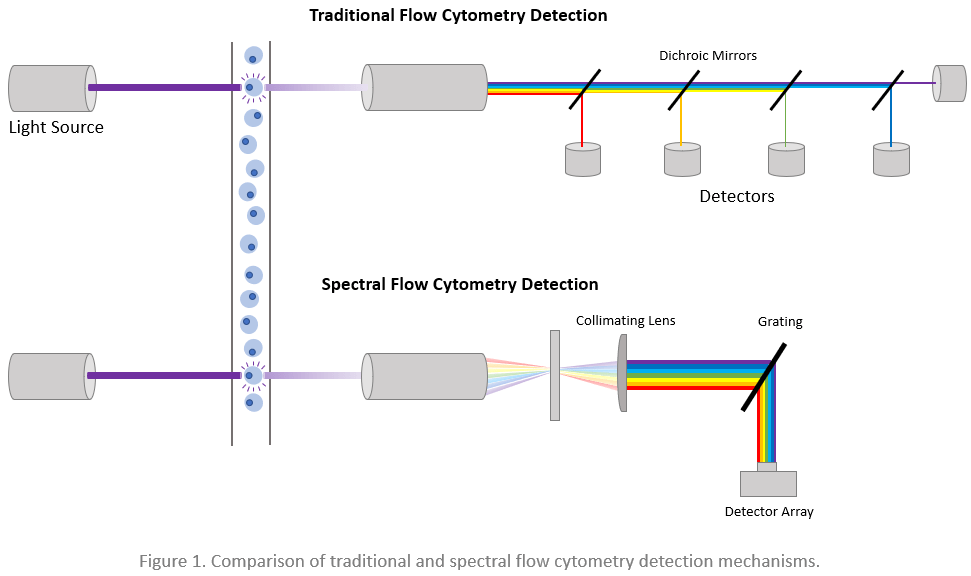
The use of spectral flow cytometry is increasing due to the many benefits it affords. Spectral flow cytometry is a relatively new technology that was developed to push the boundaries of traditional flow cytometry. First described in 2004 by researchers at Purdue...