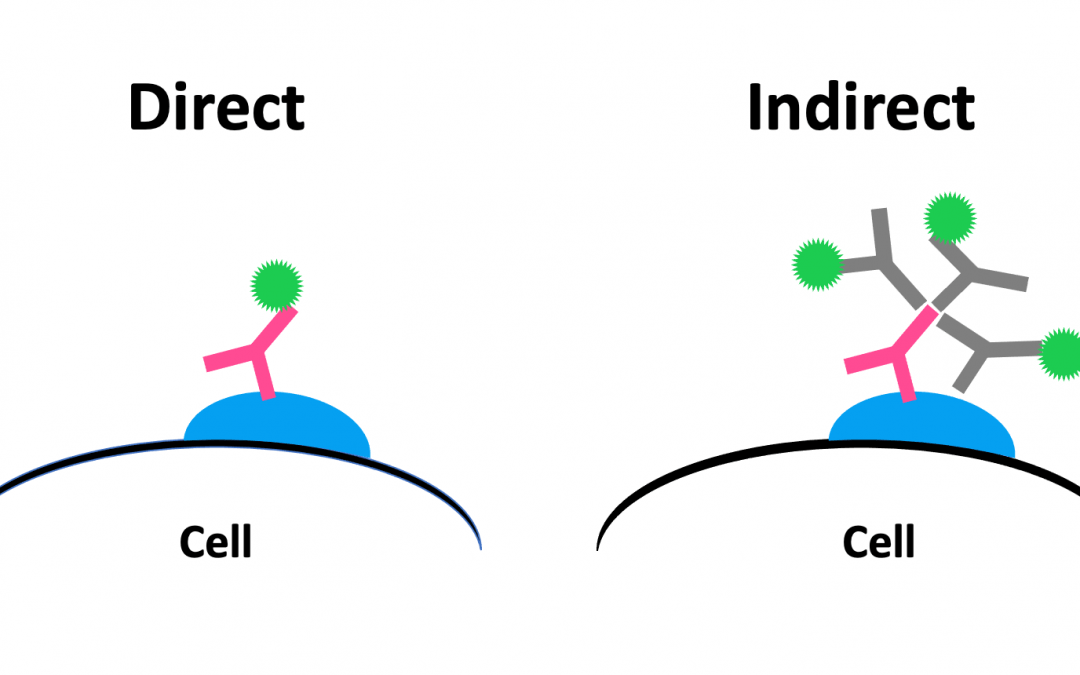
Understanding the advantages and disadvantages of different immunodetection strategies is important to achieve accurate results. Microscopy-based techniques such as immunocytochemistry (ICC) and immunohistochemistry (IHC) often use fluorophore or enzyme-labeled...
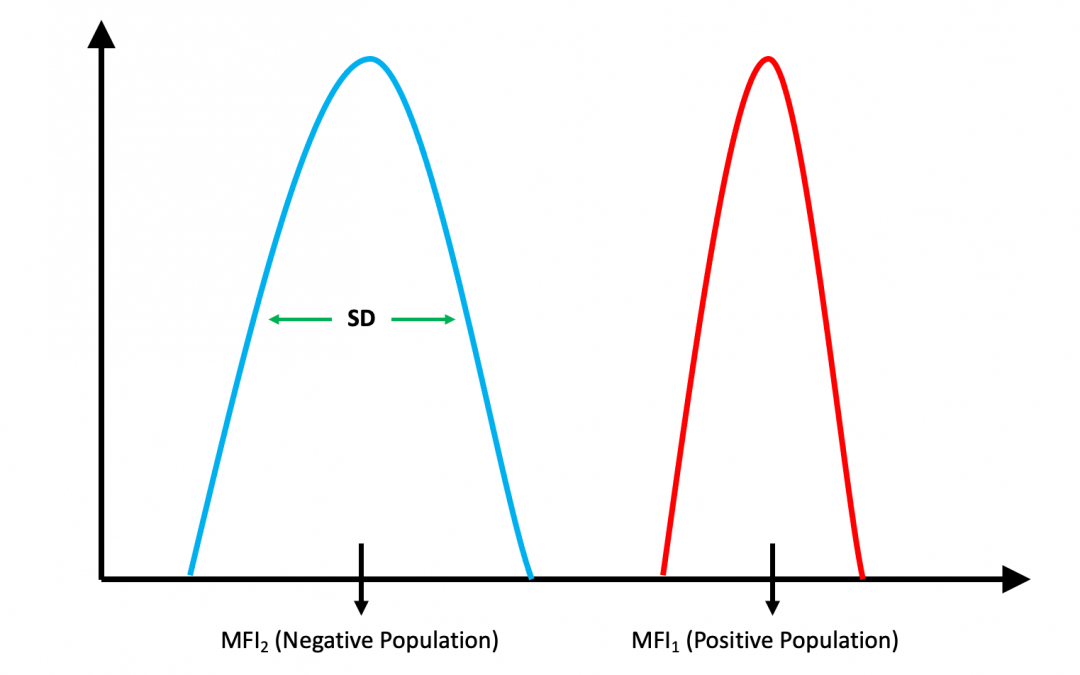
When designing a flow cytometry experiment, it is important to account for the relative brightness of each fluorescent label on your specific instrument. Ideally, brighter fluorophores should be assigned to weakly expressed markers, while dimmer fluorophores should...
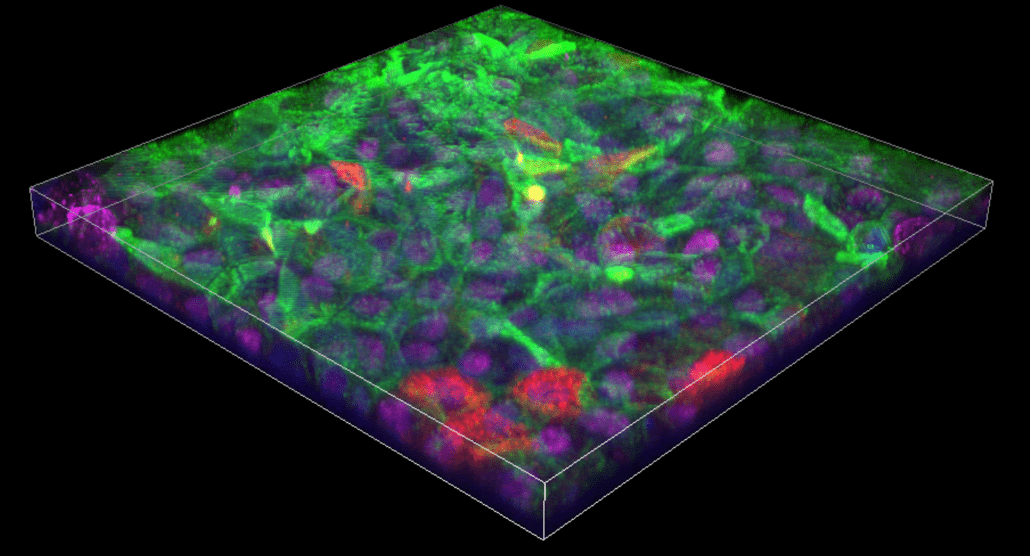
Advanced microscopy techniques enable deeper imaging Advanced microscopy platforms are becoming more widespread for the depth of information they provide. Among these newer modalities, confocal microscopy has risen in popularity for imaging thick...
Whether preformulated or made in-house, buffers are integral to flow cytometry success Flow cytometry allows researchers to characterize individual cells using fluorophore-labeled antibodies for detecting targets of interest. Sample preparation, antibody...
Non-conventional optics and advanced algorithms are extending the capabilities of classic microscopy. For centuries, researchers have tried to improve the resolution and sensitivity of optical microscopy. Over time, advances in fluorescence imaging modalities...
Flow cytometry controls must address multiple sources of variation Flow cytometry requires more controls than other immunoassay techniques because it accounts for a greater number of potential sources of variation. In addition to experimental controls that...