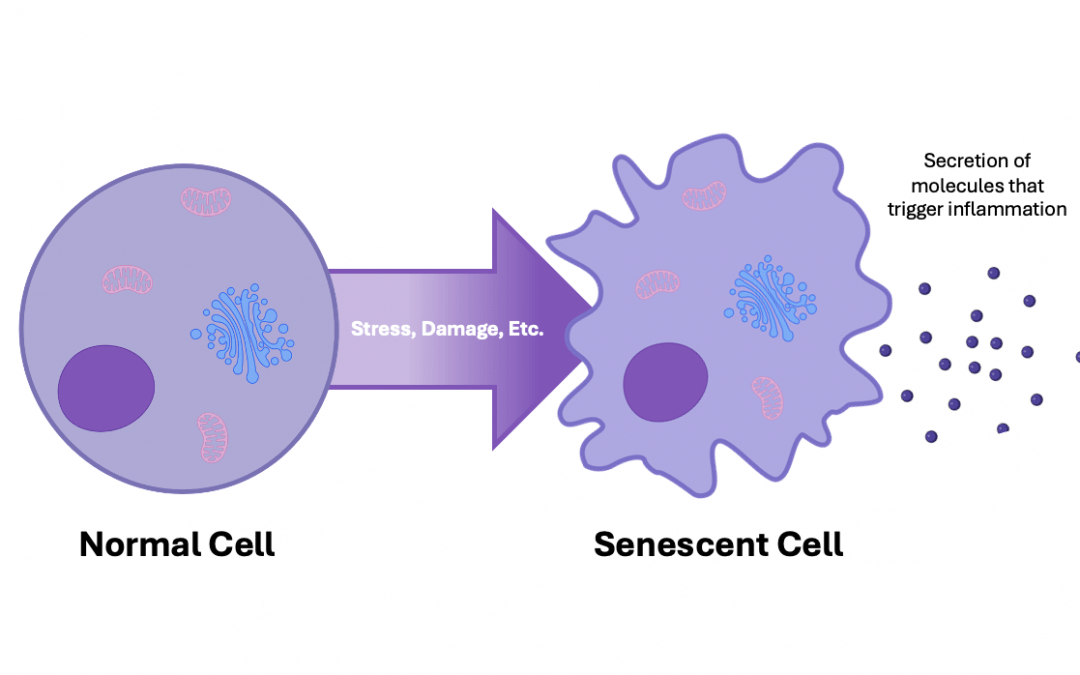
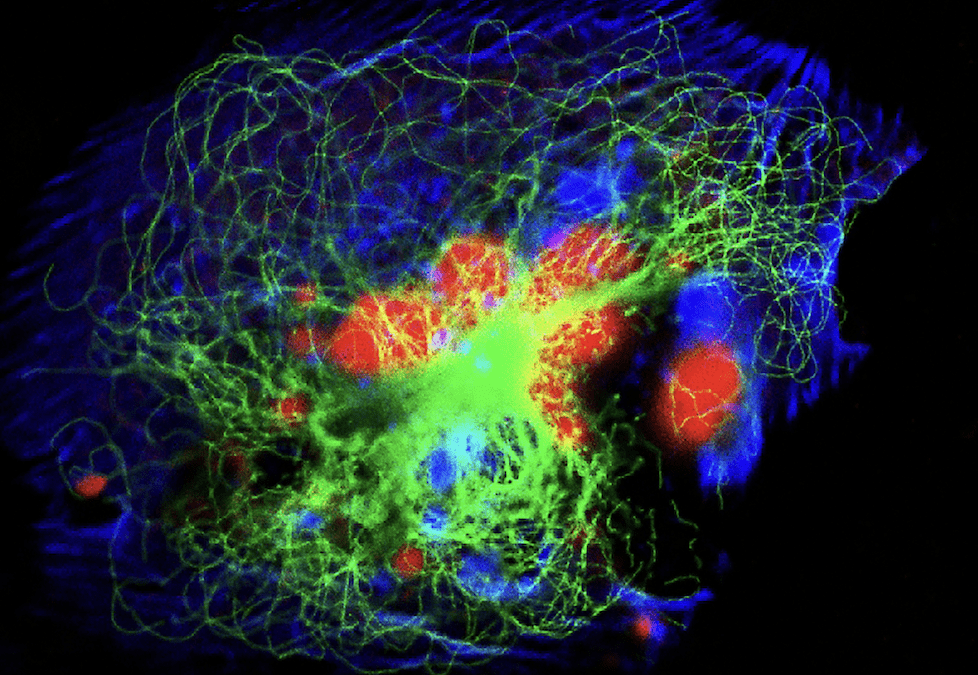
Cellular senescence has important roles in embryogenesis, tissue repair, and tumor suppression. However, prolonged senescence can be detrimental to human health, contributing to the development of conditions such as cancer and various age-related pathologies....
Cellular function encompasses the basic processes a cell must undertake to do it’s assigned job. That could include protein production, enzymatic degradation, proliferation, apoptosis, cell signaling, mitochondrial respiration, buffering reactive oxygen species, etc,...
Multiparameter fluorescence imaging offers many advantages for scientific research. Not only does it use significantly less sample than generating a series of single-analyte images, but it also saves time and can provide a more complete picture of the system in...
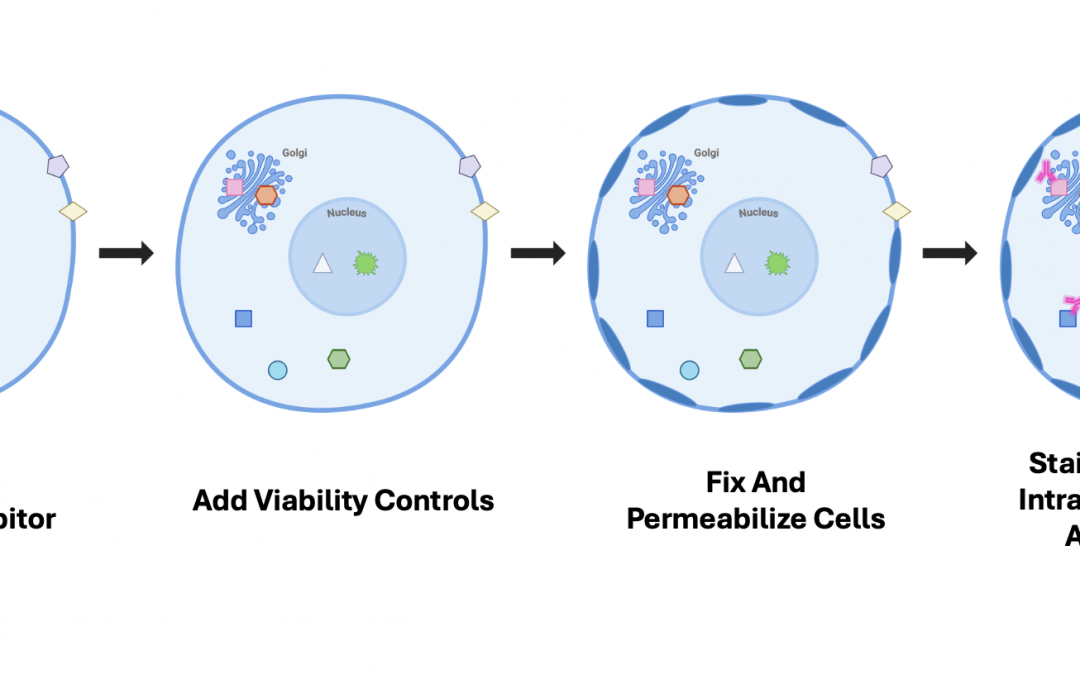
Although intracellular flow cytometry evolved more recently than surface staining, it is far from new. Reports dating back almost 50 years describe the use of intracellular flow cytometry to track the cell cycle, through differential staining of DNA and RNA with...
Historically, fluorescence microscopy was limited by the number of parameters that could be imaged on a single sample due the spectral overlap of the fluorophores available at the time. There was a prevailing dogma that only one fluorophore could be assigned to each...
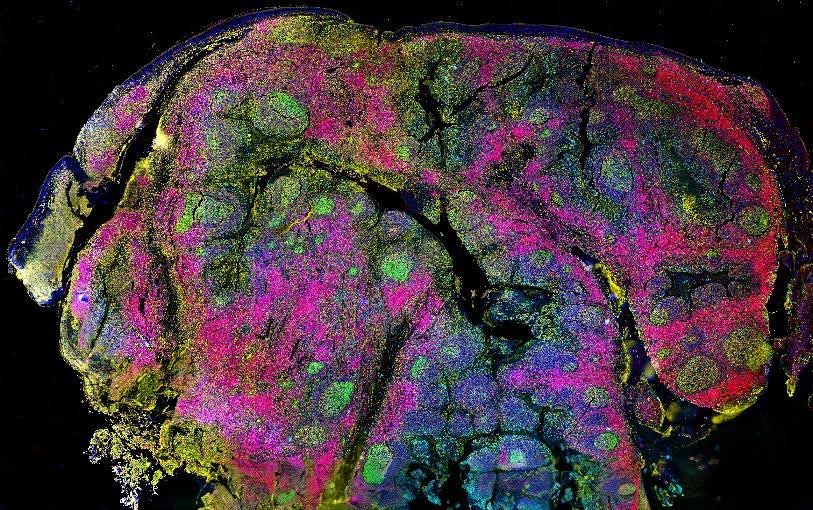
Immunohistochemistry (IHC) is an antibody-based technique for detecting specific analytes in tissue sections. Because the tissue architecture is preserved, it is possible to study the distribution and relative abundance of targets of interest, both in the context of...