Stem cells offer vast potential for new medical treatments With the unique abilities to self-renew and rebuild functional tissues, stem cells have long been of interest to researchers as potential tools for regenerative medicine. 2006 saw a major turning point...
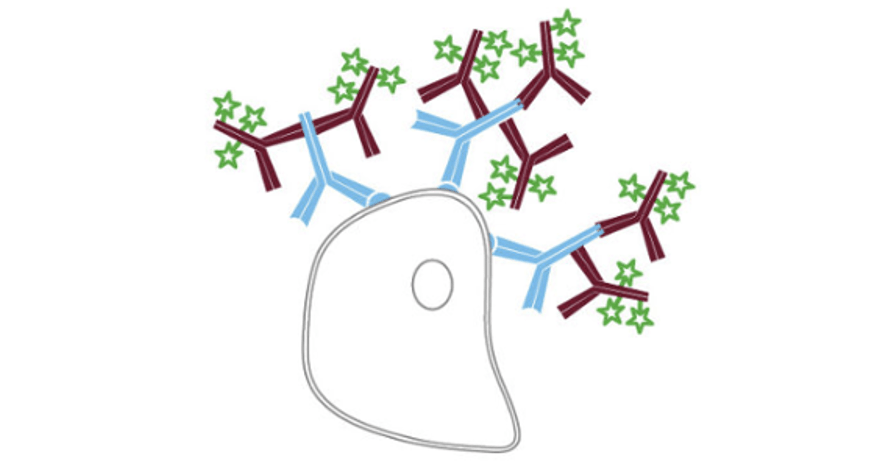
Selecting the right secondary antibodies, and optimizing them for use, is essential for reliable immunoassay data. When developing an immunoassay, researchers typically pay close attention to primary antibodies, carefully scrutinizing the product datasheets for...
Application-specific validation is critical for reproducible results Antibodies are essential tools for a broad range of research techniques. However, for data to be both accurate and reproducible, antibodies should be thoroughly validated for each of the...
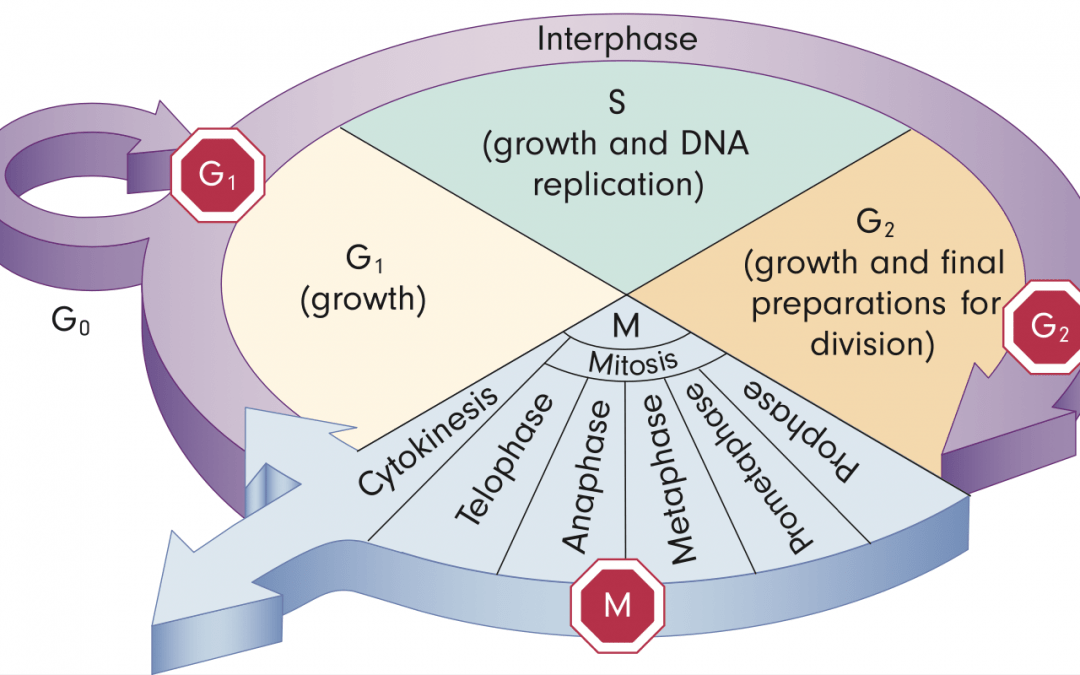
Aberrant cell proliferation and cell death underlie a multitude of disease states Normal tissue homeostasis depends on a critical balance between cell proliferation and cell death. The cell cycle regulates the former, while the latter occurs via controlled...
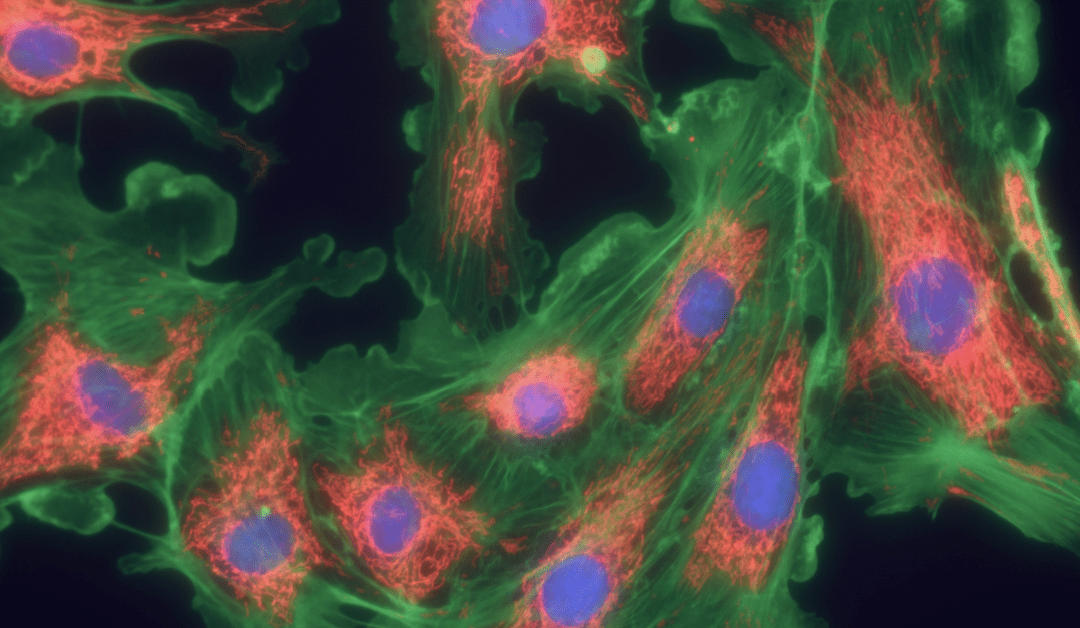
Intravital microscopy has vast potential to reveal hidden cellular mechanisms Intravital microscopy (IVM) is a term used to describe the direct visualization of cells and tissues within a living organism. It was first reported in the 17th century, shortly after...
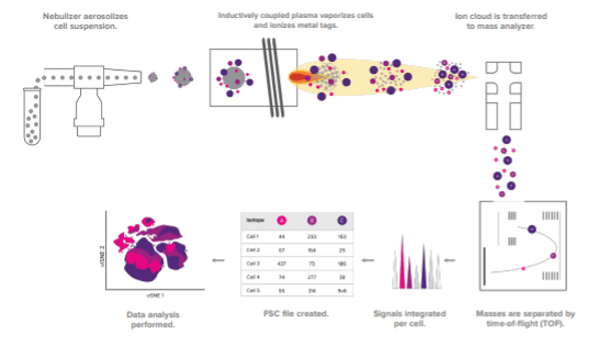
The use of mass cytometry is growing and includes its adoption for clinical applications Mass cytometry is a variation of flow cytometry that uses antibodies labeled with metal tags rather than fluorophores. Also known as CyTOF® flow cytometry, in deference to...