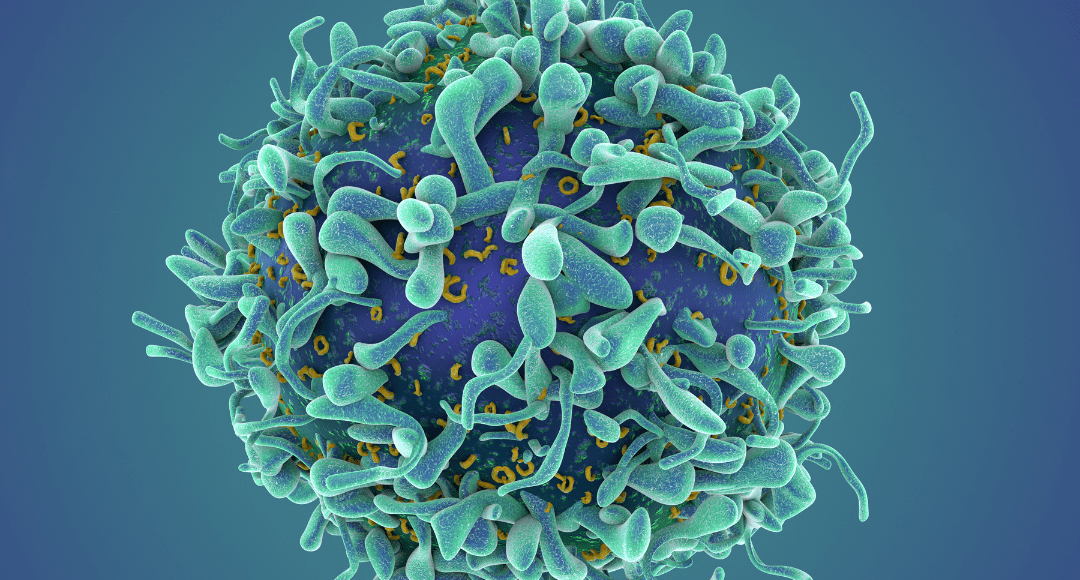
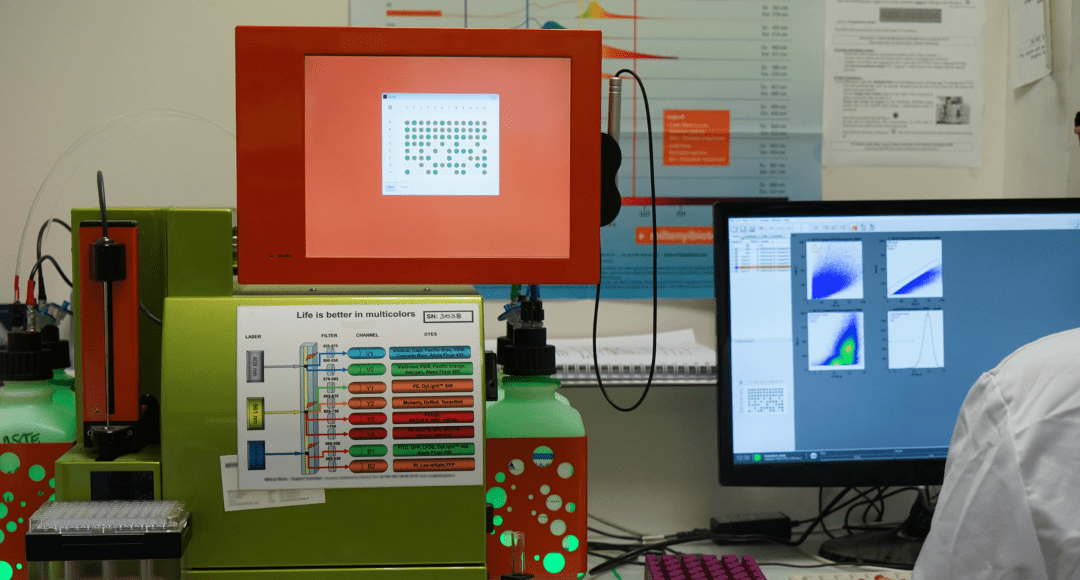
Flow cytometry assays are integral to cell manufacturing, where they have an essential role in safeguarding product quality and function. However, the types of controls used for flow cytometric characterization are changing as researchers realize the advantages of...
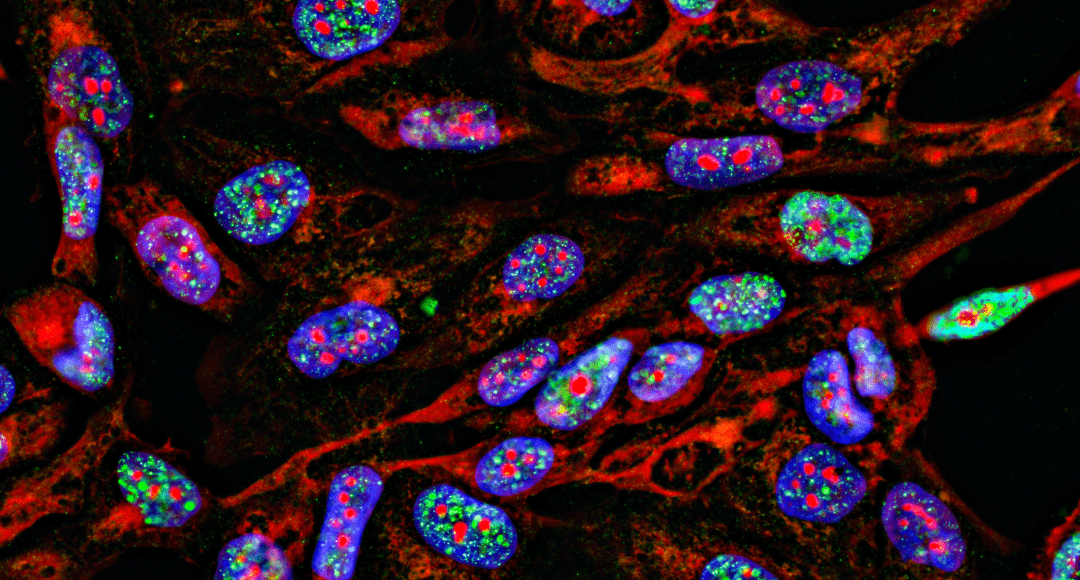
High-content imaging (HCI) combines automated fluorescence microscopy with advanced image analysis to study cellular samples. This article looks at the key steps in a typical HCI workflow and explores some common applications. It also highlights some of the leading...
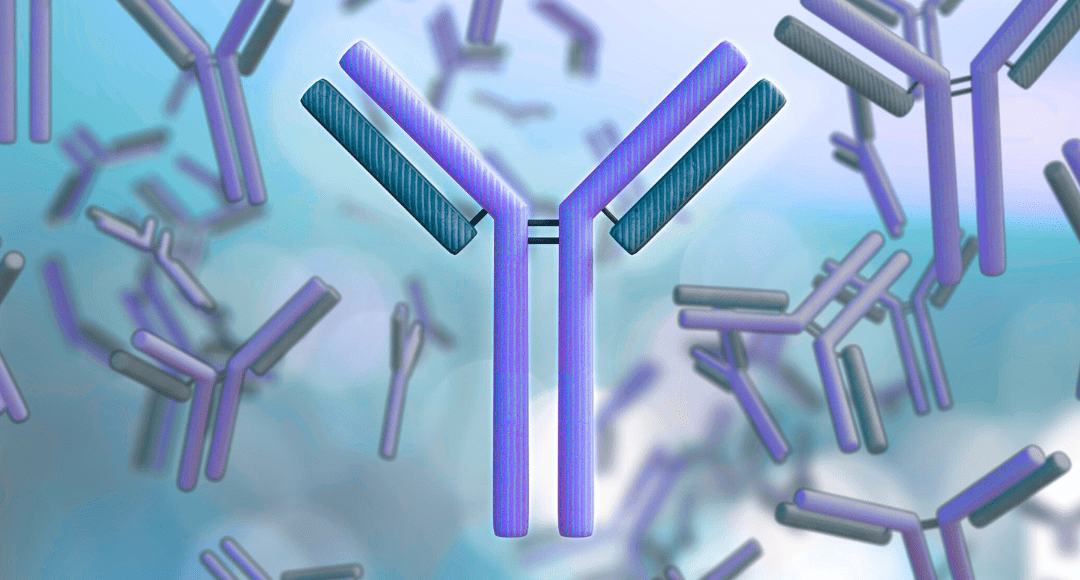
Recombinant antibody technology is addressing known limitations of traditional antibody molecules and opening up new areas of scientific research. We spoke with Michael Fiebig, Ph.D., Chief Scientific Officer at Absolute Antibody (a Vector Laboratories Company), Mary...
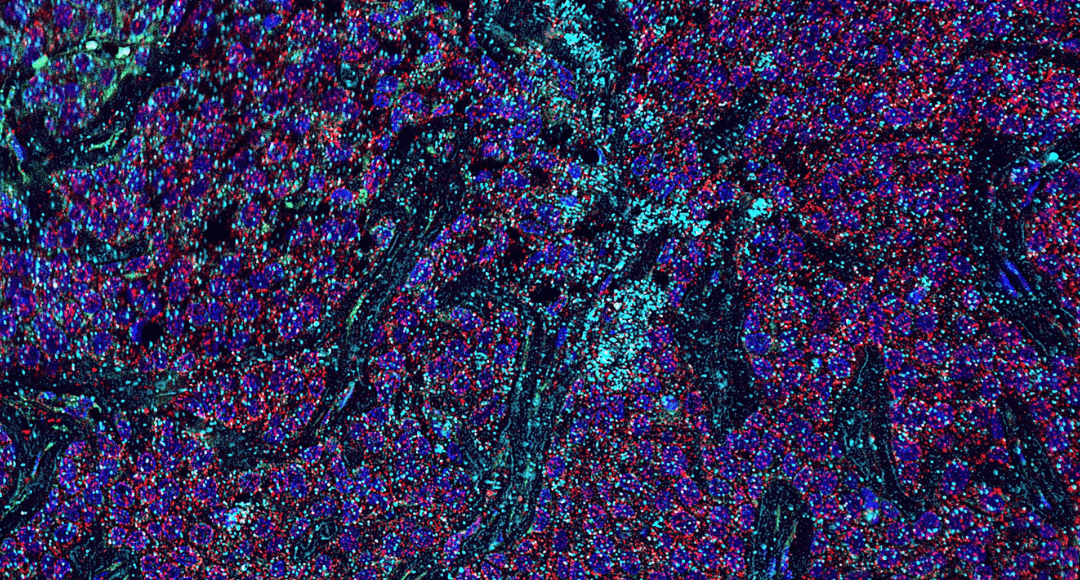
Single-cell analysis techniques such as fluorescence-activated cell sorting (FACS) and single-cell DNA and RNA sequencing have broadened researchers’ understanding of cell biology in health and disease by enabling the study of rare cell types and phenotype variations...
Flow cytometry continues to become more powerful with the development of novel instrumentation and reagents. Here, we highlight some of the latest advances in the field and look at how they can benefit your research. Thermo Fisher Scientific Launches the Invitrogen™...
It has been over 60 years since Osamu Shimomura et al. discovered Green Fluorescent Protein (GFP)1. Since then, the color palette for fluorescent proteins has been extended to span blue through to far red, and even includes proteins that are capable of exhibiting...