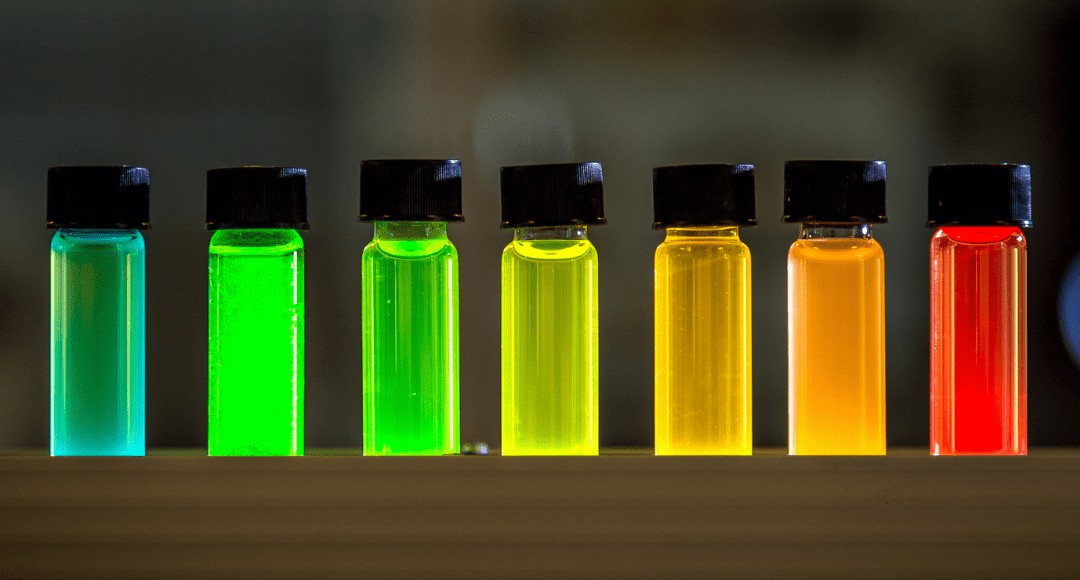
So many new fluorophores have been released in recent years, it can be hard to keep track of their similarities or novelty. Sometimes, a company will create a new brand name for a fluorescent chemistry that is already commonly used, which can make sifting through the...
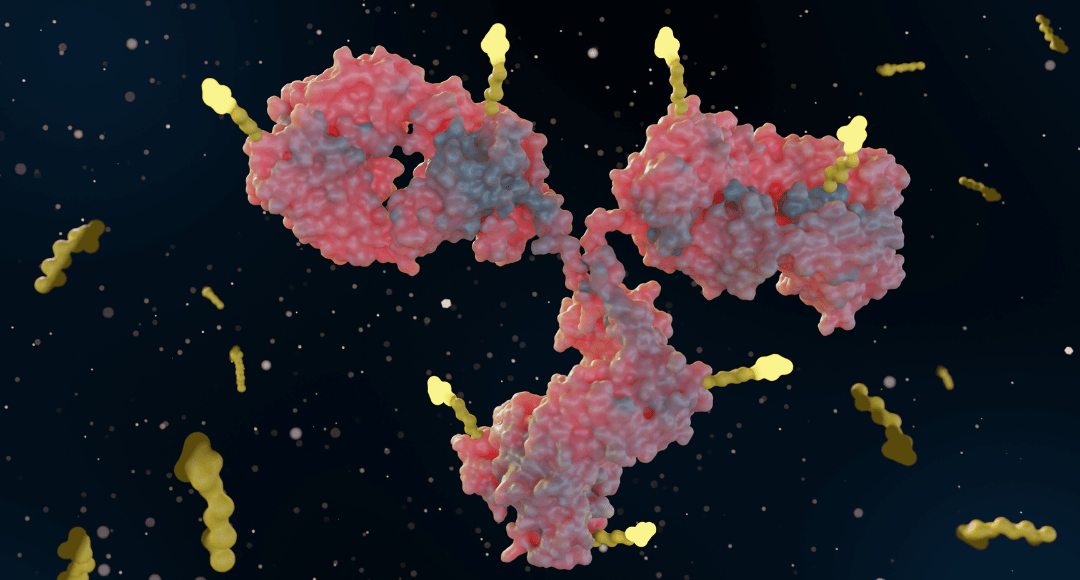
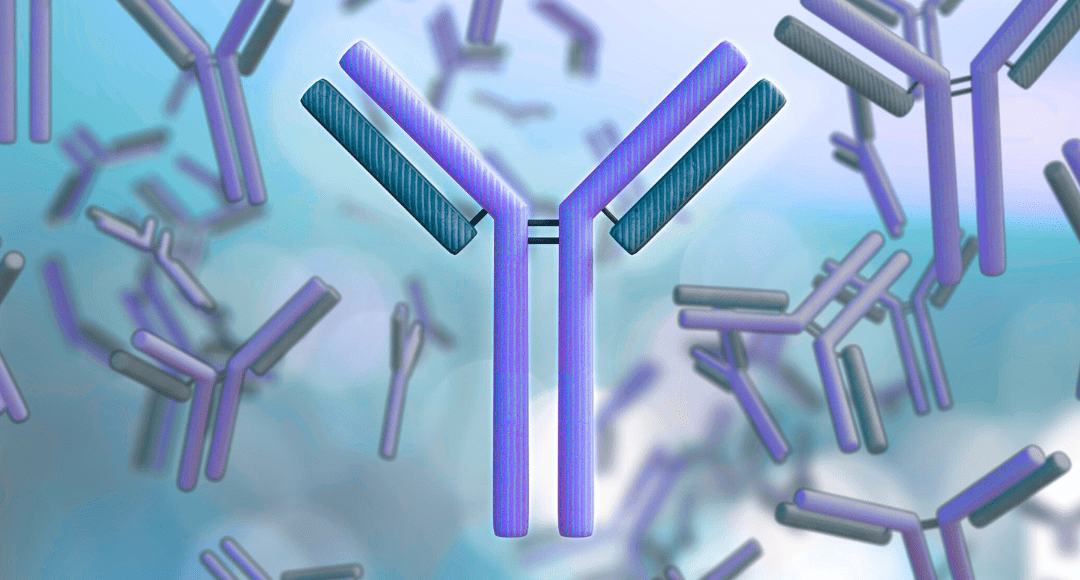
Conjugating antibodies to other molecules is a common technique used for drug delivery, changing solubility, attaching to solid substrates (for purification or assays), and visualizing the antibody using fluorescent, magnetic or gold nanoparticles. Western blots,...
Flow cytometry assays are integral to cell manufacturing, where they have an essential role in safeguarding product quality and function. However, the types of controls used for flow cytometric characterization are changing as researchers realize the advantages of...
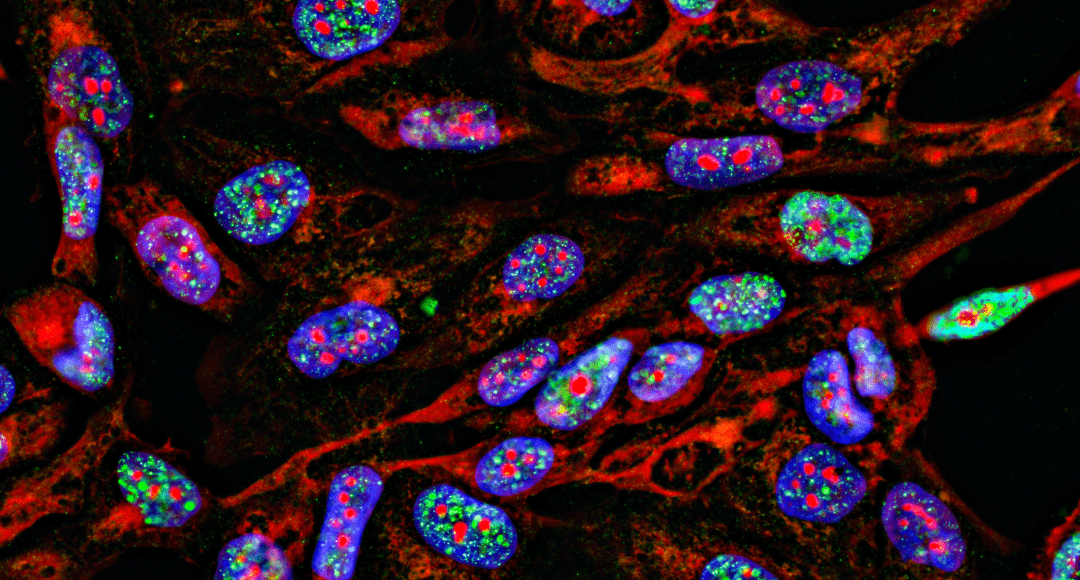
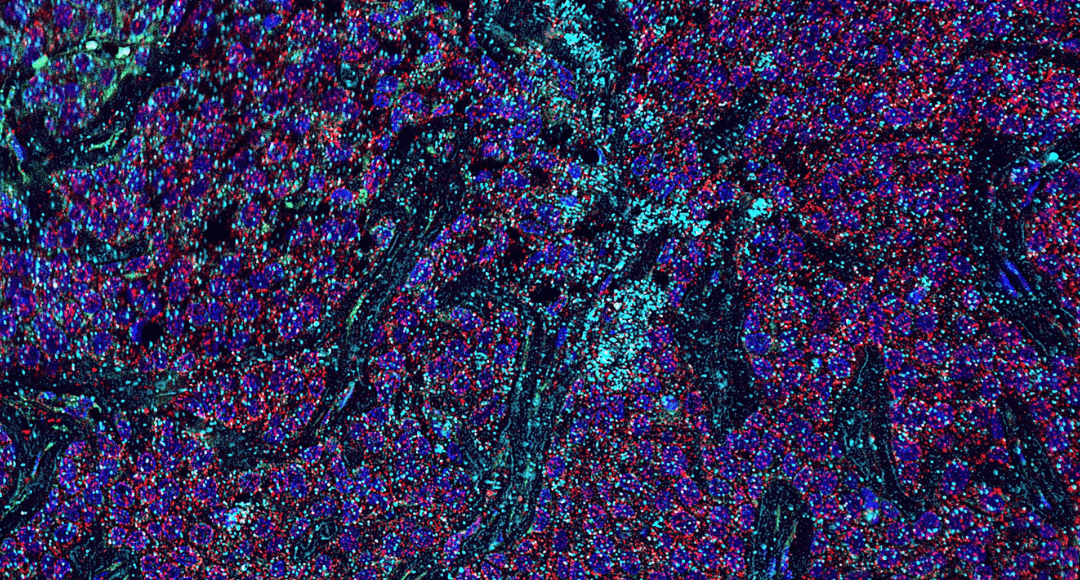
High-content imaging (HCI) combines automated fluorescence microscopy with advanced image analysis to study cellular samples. This article looks at the key steps in a typical HCI workflow and explores some common applications. It also highlights some of the leading...
Recombinant antibody technology is addressing known limitations of traditional antibody molecules and opening up new areas of scientific research. We spoke with Michael Fiebig, Ph.D., Chief Scientific Officer at Absolute Antibody (a Vector Laboratories Company), Mary...
Single-cell analysis techniques such as fluorescence-activated cell sorting (FACS) and single-cell DNA and RNA sequencing have broadened researchers’ understanding of cell biology in health and disease by enabling the study of rare cell types and phenotype variations...