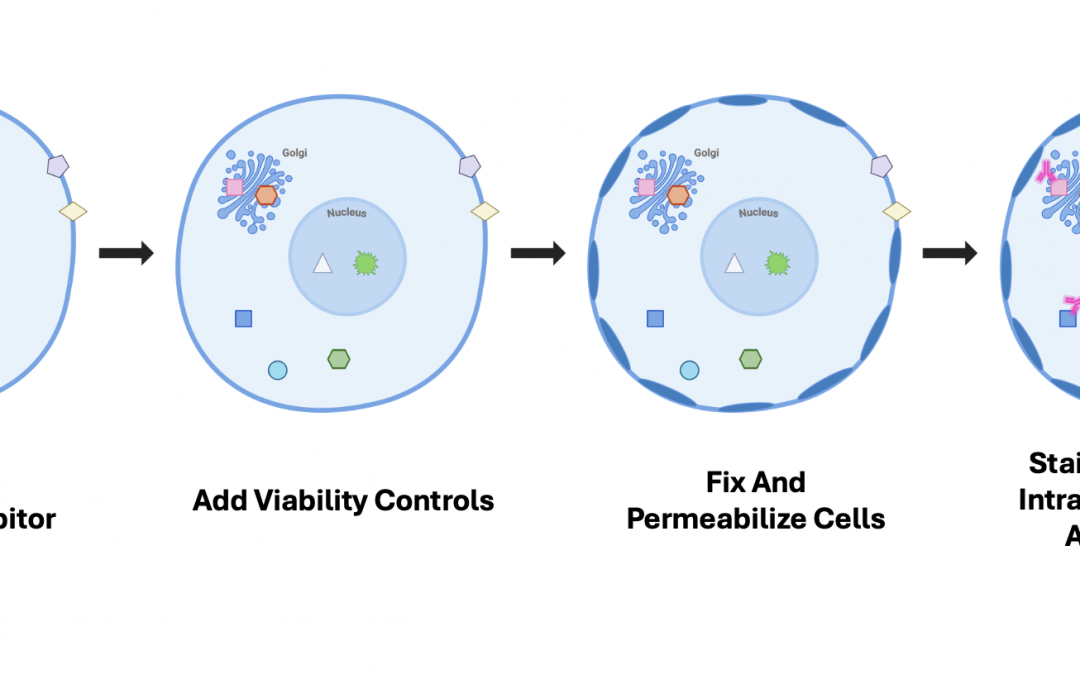
Although intracellular flow cytometry evolved more recently than surface staining, it is far from new. Reports dating back almost 50 years describe the use of intracellular flow cytometry to track the cell cycle, through differential staining of DNA and RNA with...
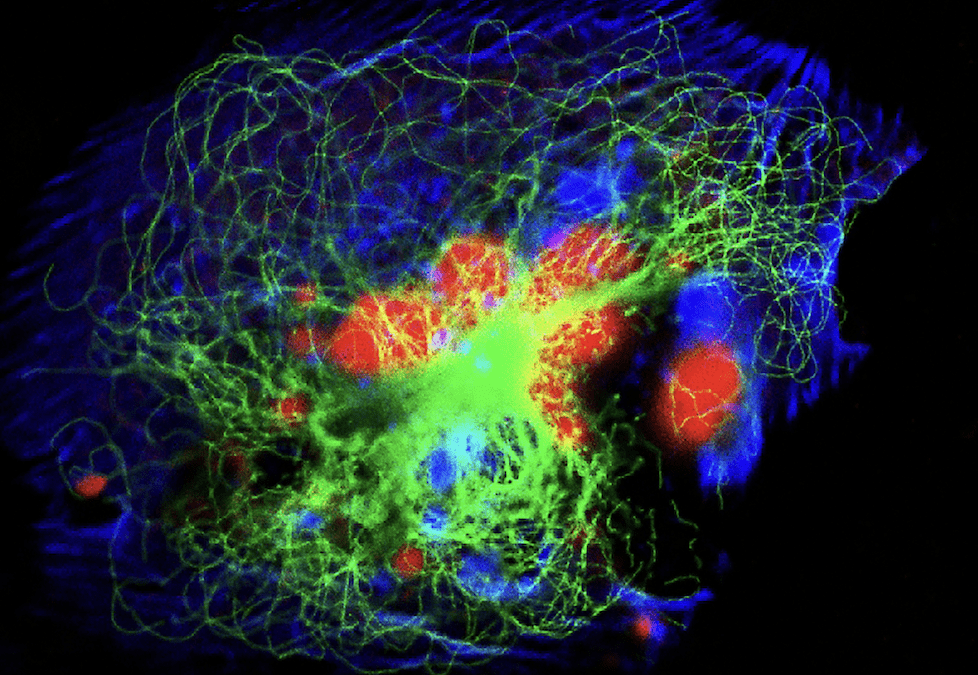
Historically, fluorescence microscopy was limited by the number of parameters that could be imaged on a single sample due the spectral overlap of the fluorophores available at the time. There was a prevailing dogma that only one fluorophore could be assigned to each...
Immunohistochemistry (IHC) is an antibody-based technique for detecting specific analytes in tissue sections. Because the tissue architecture is preserved, it is possible to study the distribution and relative abundance of targets of interest, both in the context of...
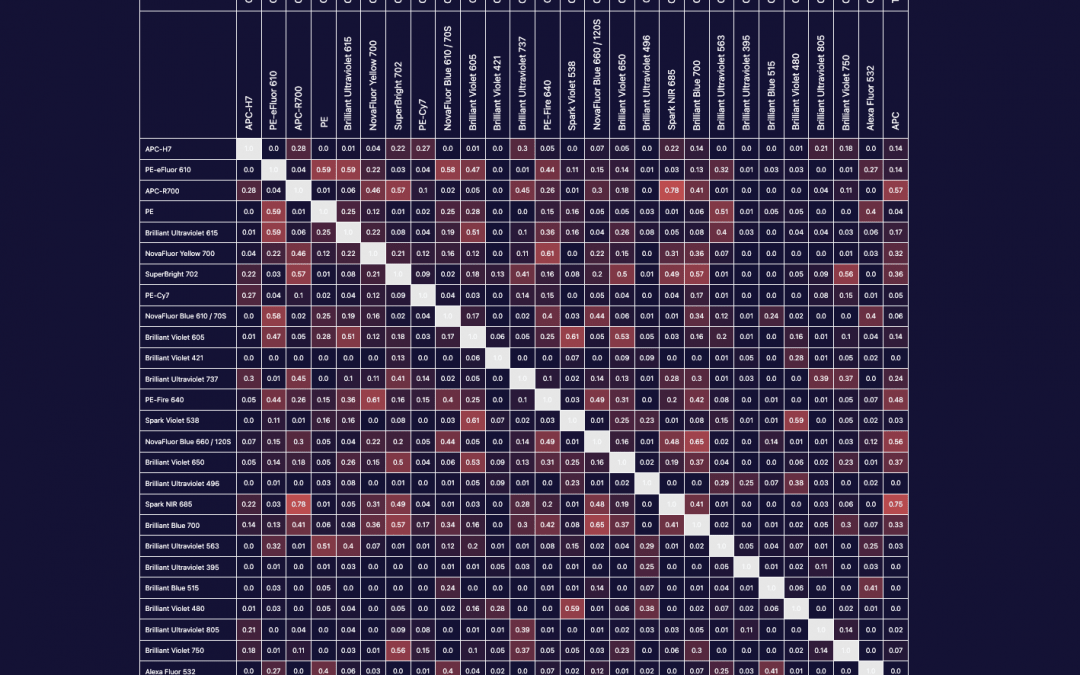
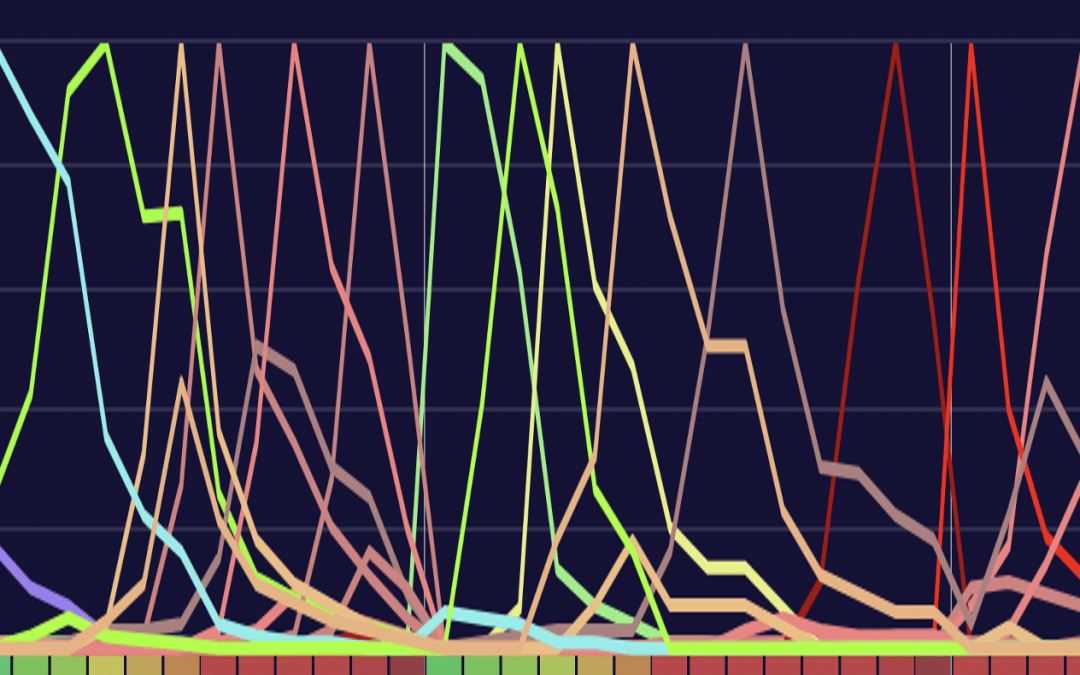
Whether you are using a traditional cytometer that employs compensation and does not exceed 18 colors or a spectral cytometer that employs an unmixing algorithm and has the potential, currently, to analyze 50 color panels, the basic tenets of flow cytometry panel...
In 2004, Perfetto and Roederer published the first paper detailing a 17-color flow cytometry experiment by incorporating a relatively new octagon emission array off the violet 405nm laser (1). The additional laser and 8 additional channels for violet excited...
The selection of method and fluorophores for super-resolution microscopy depends on several considerations. Fluorescence microscopy is one of the most widely used imaging modalities for scientific research owing to its capacity for multiplexed detection and its...