Advances in flow cytometry instrumentation, technology and chemistries have enabled researchers to expand their experimental parameters rapidly. Experiments that were once limited to the detection of three to four parameters have increased to detect up to 40 compounds...
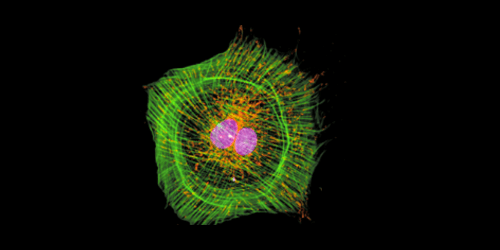
Fluorescent proteins are an important part of any molecular biologist’s toolkit. Recombinant DNA techniques allow researchers to incorporate a fluorescent protein into an engineered plasmid and track its expression over time with flow cytometry or, more commonly,...
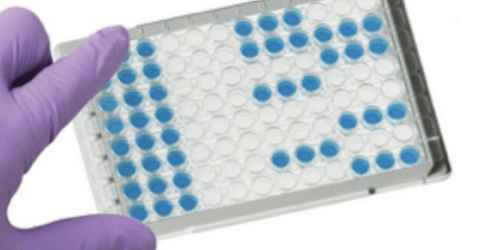
The enzyme-linked immunosorbent assay (ELISA) offers a simple and effective method for rapid biomarker detection. The main benefits of ELISA include good specificity, low cost, and straightforward readout. However, the limited sensitivity of standard colorimetric...
Background fluorescence includes any signal detected beyond what is generated by the fluorochromes being measured. The three major sources of background fluorescence include autofluorescence, spectral overlap, and undesirable antibody binding. Because false signals...
The field of flow cytometry continues to progress toward the goal of collecting and analyzing more data. Here we explore two recent advancements: spectral analyzer platforms to collect more data, and machine learning algorithms to analyze larger datasets. Machine...
Pathologists and life science researchers are increasingly performing multiplexed assays on formalin-fixed, paraffin-embedded samples. This allows for the collection of more data from a single tissue specimen, far beyond the typical single-color immunohistochemistry...