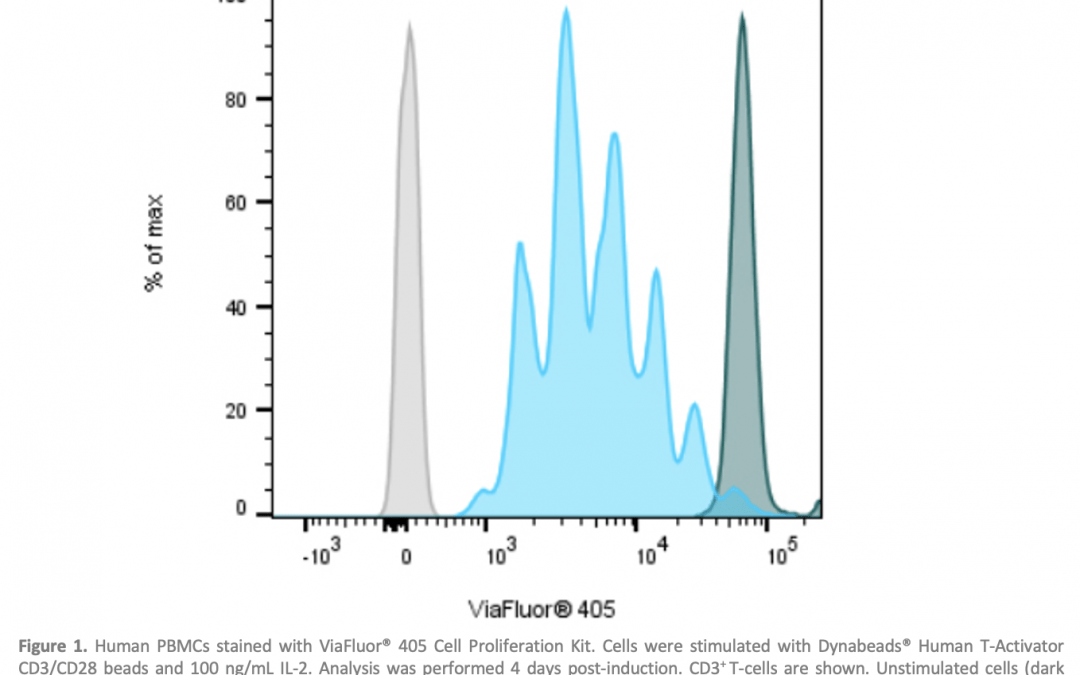
Functional probes are essential tools for flow cytometry, with utility for studying a wide array of cellular processes. Here, we speak with Alexis Madrid, Ph.D., Assistant Director of Bioscience at Biotium and Chris Manning, Associate Director, Flow Cytometry at Cell...
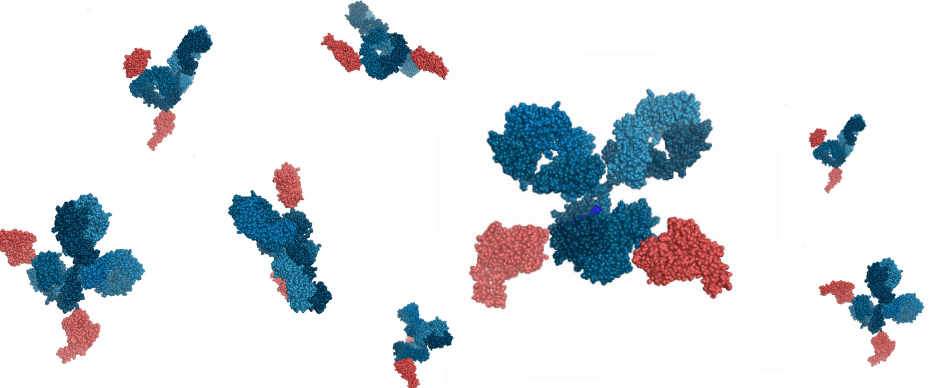
Author: Columbia Biosciences Background: Over the course of their careers, most researchers in the life sciences or associated fields will perform an experiment or assay that uses a conjugate. These include fluorescent conjugates in flow cytometry (FCS) or...
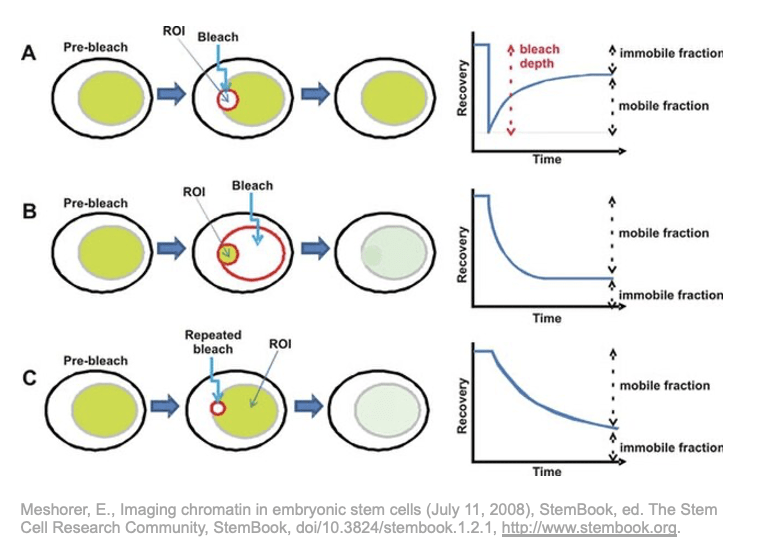
Fluorescence recovery after photobleaching is a technique for characterizing the mobility of cellular molecules Fluorescence recovery after photobleaching (FRAP), also known as fluorescence redistribution after photobleaching, is a microscopy-based technique...
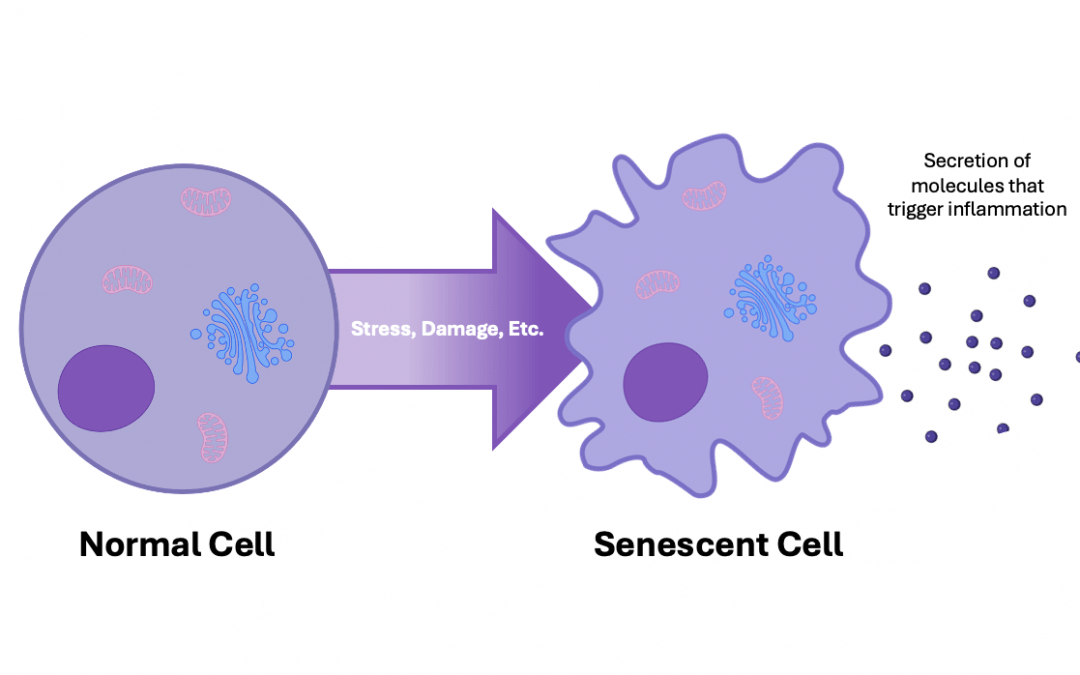
Cellular senescence has important roles in embryogenesis, tissue repair, and tumor suppression. However, prolonged senescence can be detrimental to human health, contributing to the development of conditions such as cancer and various age-related pathologies....
Cellular function encompasses the basic processes a cell must undertake to do it’s assigned job. That could include protein production, enzymatic degradation, proliferation, apoptosis, cell signaling, mitochondrial respiration, buffering reactive oxygen species, etc,...
Multiparameter fluorescence imaging offers many advantages for scientific research. Not only does it use significantly less sample than generating a series of single-analyte images, but it also saves time and can provide a more complete picture of the system in...