Fluorescent detection is one of the most powerful tools available to researchers. Not only does it offer the advantages of high sensitivity, simple operation, and the capacity for multiplexing, but it also allows for capturing dynamic biological processes in...
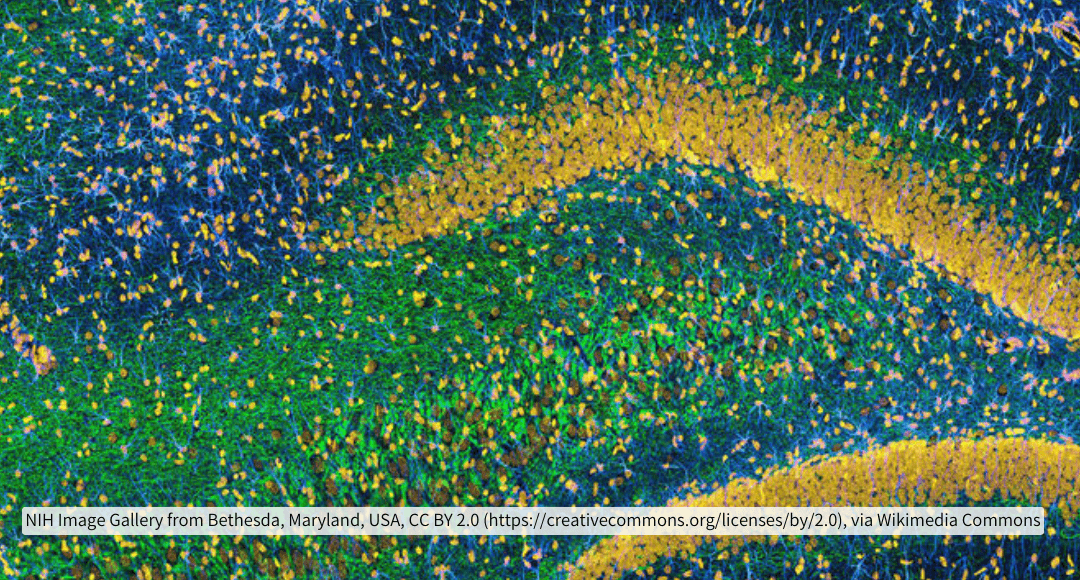
The cerebral cortex is between 2-4 millimeters thick depending on the region of the brain. In one cubic millimeter of human temporal cortex, there are 57,000 cells, 150 million synapses and 230 millimeters of blood vessels1. The typical thickness of a tissue slice for...
There is light inside our cells. Each cell relies upon a unique array of vitamins, metabolic cofactors ,and aromatic amino acid-based proteins. Many of these molecules exhibit unique fluorescent properties, collectively known as endogenous autofluorescence. The...
One of the most common complaints when using fluorescently-labeled antibodies for staining biological samples is that the specific signal is too low. Another is that the background is too high, obscuring detection of the target. We spoke with Eric Torres, Ph.D.,...
Recombinant antibodies have become indispensable tools for flow cytometry due to the advantages that they offer over traditional polyclonal and monoclonal antibodies. We spoke with Mathilde de Jong, Ph.D., Product Manager for Flow Antibodies at Miltenyi Biotec, and...
DNA-PAINT (DNA points accumulation for imaging in nanoscale topography) is a super-resolution microscopy technique that exploits the transient binding of fluorescently labeled DNA probes. It has been widely adopted for scientific research owing to its accessibility,...