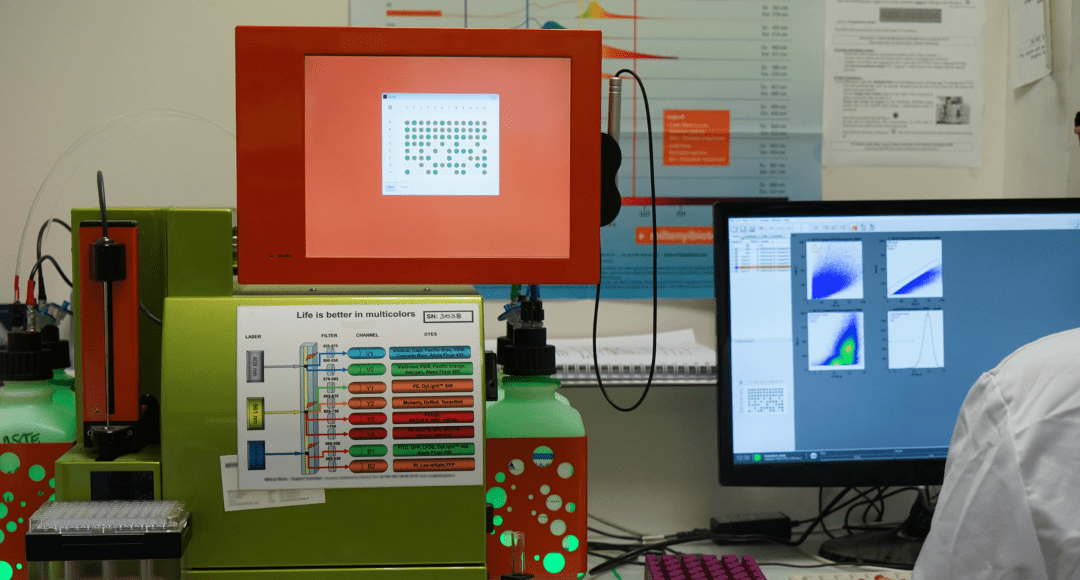
Flow cytometry continues to become more powerful with the development of novel instrumentation and reagents. Here, we highlight some of the latest advances in the field and look at how they can benefit your research. Thermo Fisher Scientific Launches the Invitrogen™...
It has been over 60 years since Osamu Shimomura et al. discovered Green Fluorescent Protein (GFP)1. Since then, the color palette for fluorescent proteins has been extended to span blue through to far red, and even includes proteins that are capable of exhibiting...
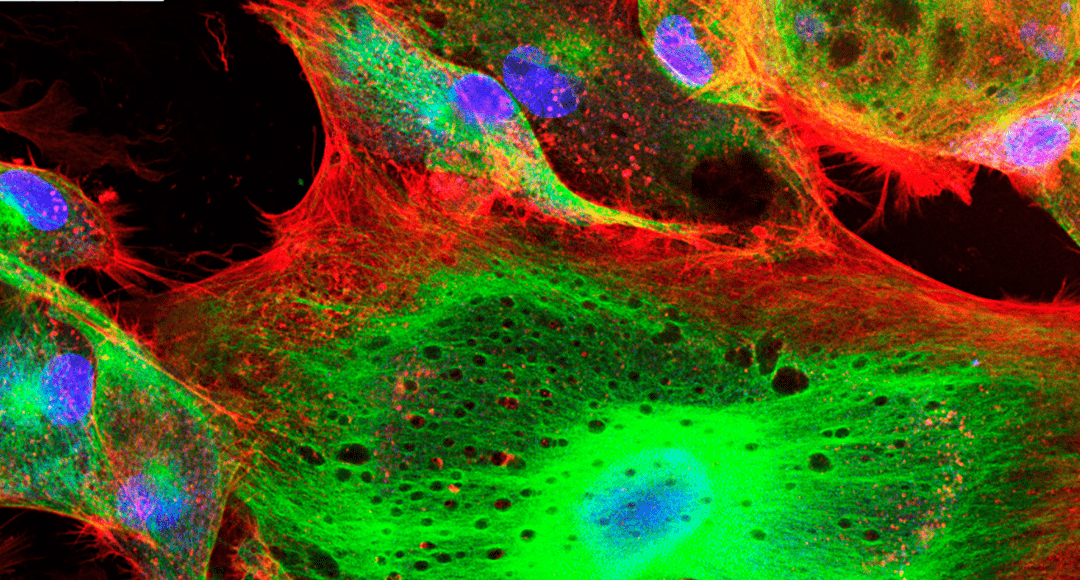
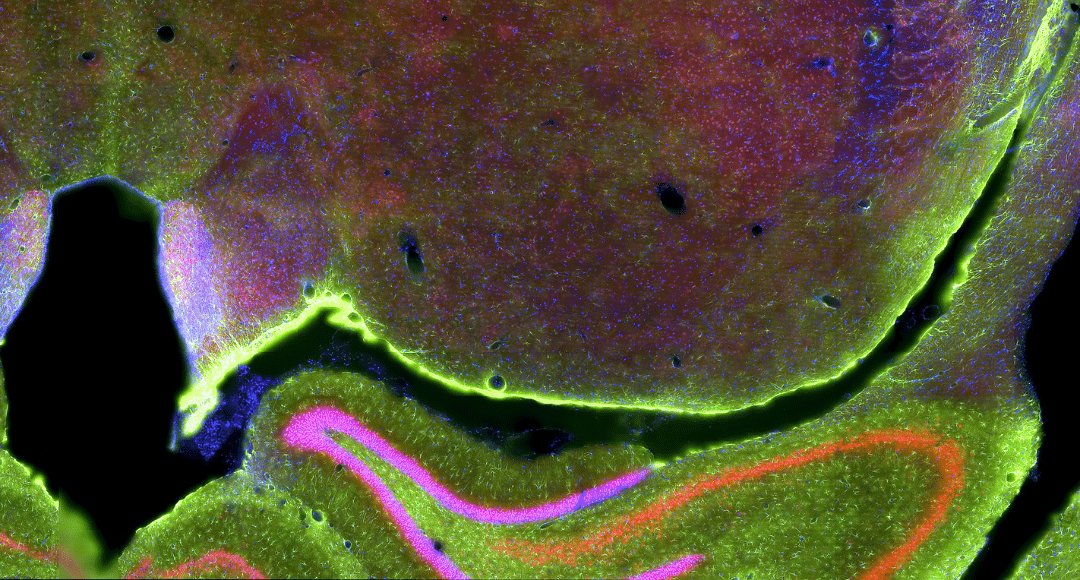
Structural biology is focused on mapping where proteins, lipids and other biological molecules are located in cells and tissues in space. Researchers often use immunofluorescence labelling techniques that have been around for decades to visualize biomolecules and...
Standardization may not be the most exciting topic in biomedical research, but in an era where we lament the lack of reproducibility and distribute blame to reagents, sample prep, and general technical know-how, standardization is something every researcher should...
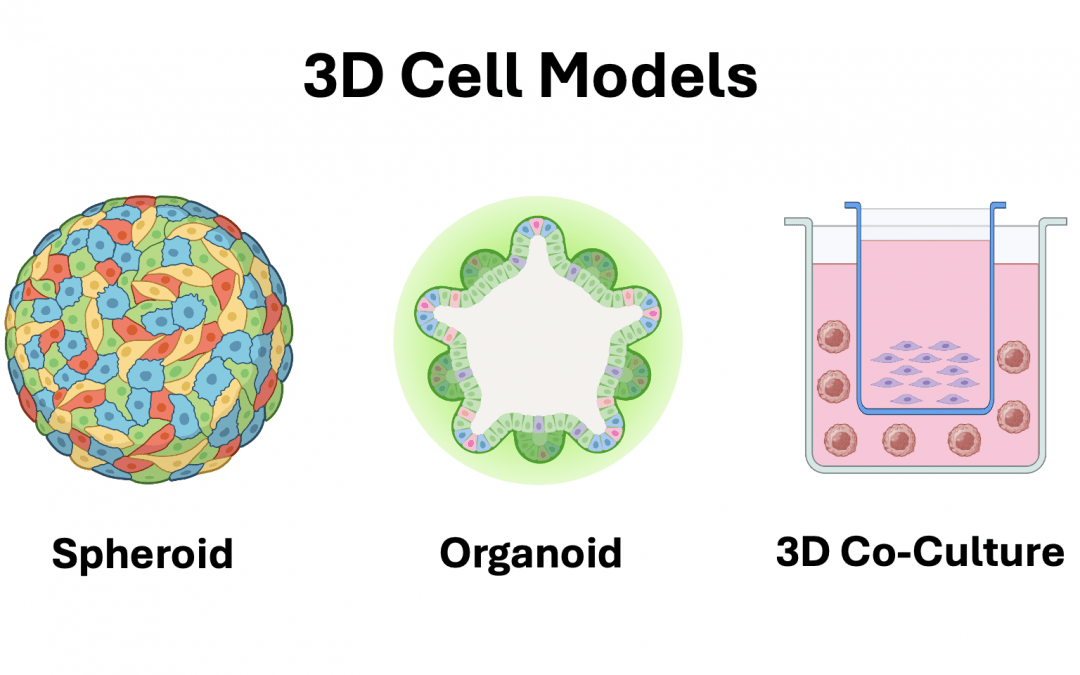
Two-dimensional (2D) cell cultures represent a cornerstone of scientific research due to their relative simplicity and the establishment of standard techniques over time. In recent years though, 3D cell culture models have risen in popularity for the more...
Back before spectral cytometry, flow cytometers were composed of optical configurations with individual photomultiplier tubes (PMTs) or avalanche photodiodes (APDs) behind filters centered at the peak emission of different fluorophores. Many might call these...