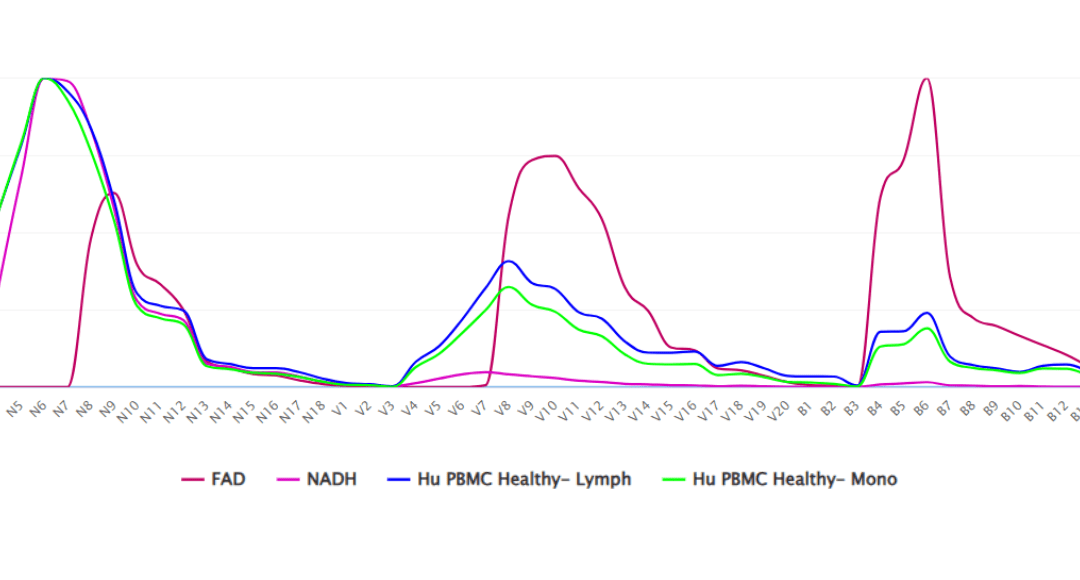
Guest Authored By: Kelly Lundsten Every living organism on earth has evolved to either harness or protect itself from the energy of the sun. Organic molecules capture energy and conduct it along a circuitry of electron pairs shared by double bonds that compose various...
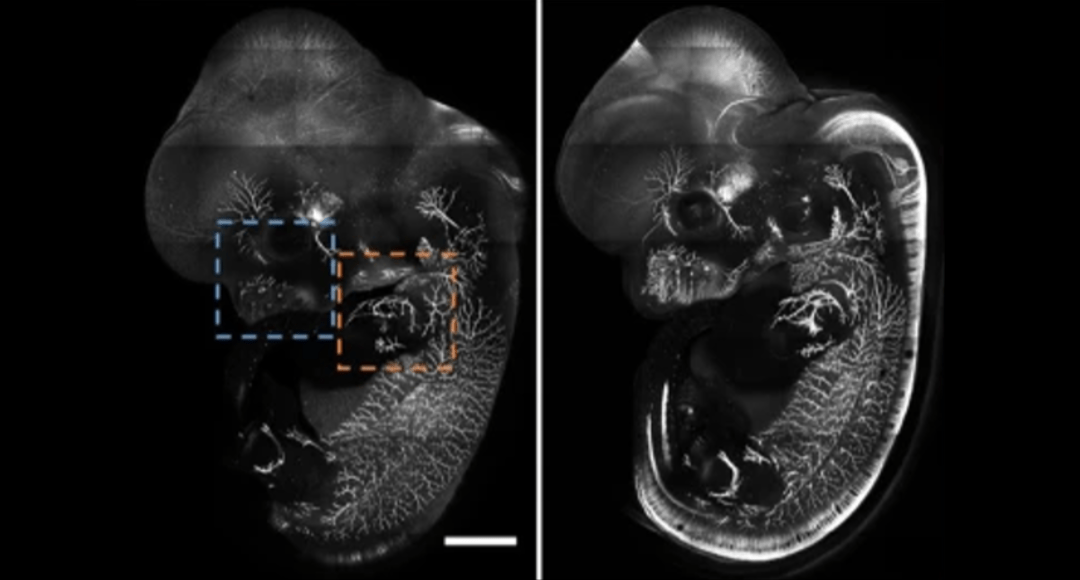
Cover Image: E12.5 whole mouse embryo was immunostained with neurofilament antibody and cleared with RTF. Scale bar, 1000 μm. Used without modification under Creative Commons Attribution 4.0 International License from (Yu T. Z., 2018) Figure 4a. As explained in last...
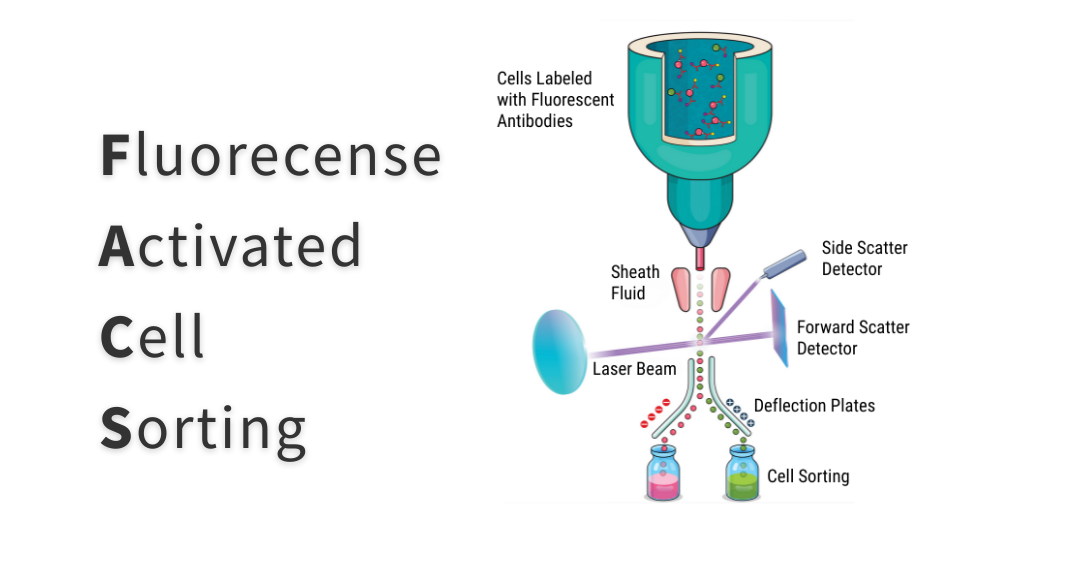
Fluorescence-activated cell sorting (FACS) is an advanced form of flow cytometry that allows researchers to isolate specific cell types from a heterogeneous sample. This article explains the basic principles of FACS and describes some common research applications. It...
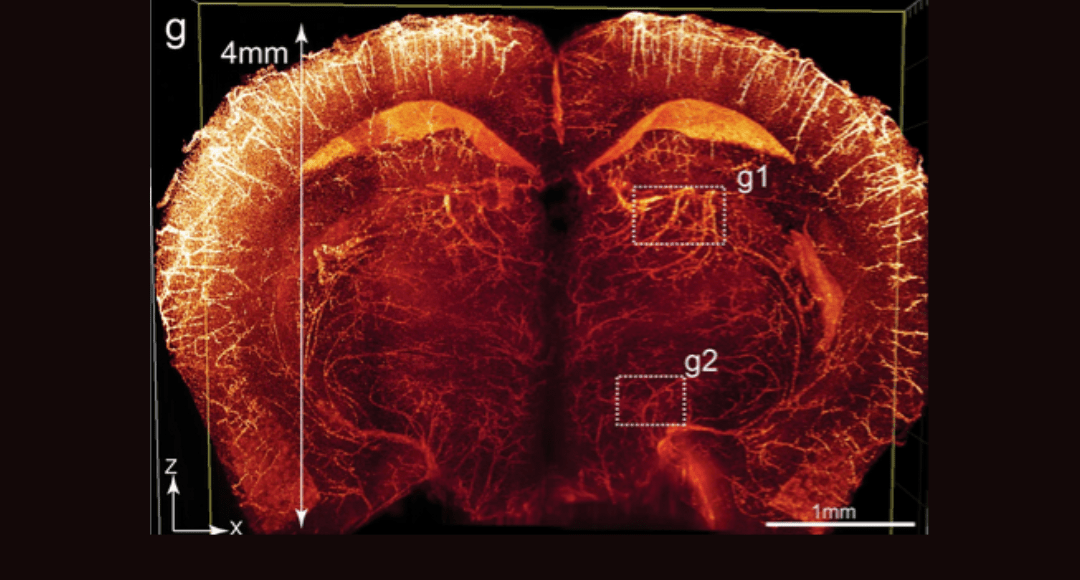
Cover Image: Imaging of the whole-brain vasculatures at sub-cellular resolution. Brains of adult Tie2-Cre;tTAflox;tetO-H2BGFP (TTH) mice were cleared using the PEGASOS method and imaged with a tiling light-sheet microscope. g An X-Z optical slice acquired at the...
When selecting reagents for flow cytometry, fluorescently-labeled antibodies are likely the first products that come to mind. However, supplementary reagents are also important and it pays to investigate what’s on offer. This article looks at some of the different...
Guest Authored By: Vera Tang, Ph.D. Interest in the study of extracellular vesicles has increased exponentially over the past two decades due to the important role they play in inter-cellular communication, as biomarkers of disease, and vehicles for drug delivery....