Written by Emma Mason Instruments for fluorescence imaging allow researchers to study a vast array of biological processes, typically aided by labels in the form of protein tags or synthetic dyes. Fluorescence imaging instruments range from gel documentation systems...
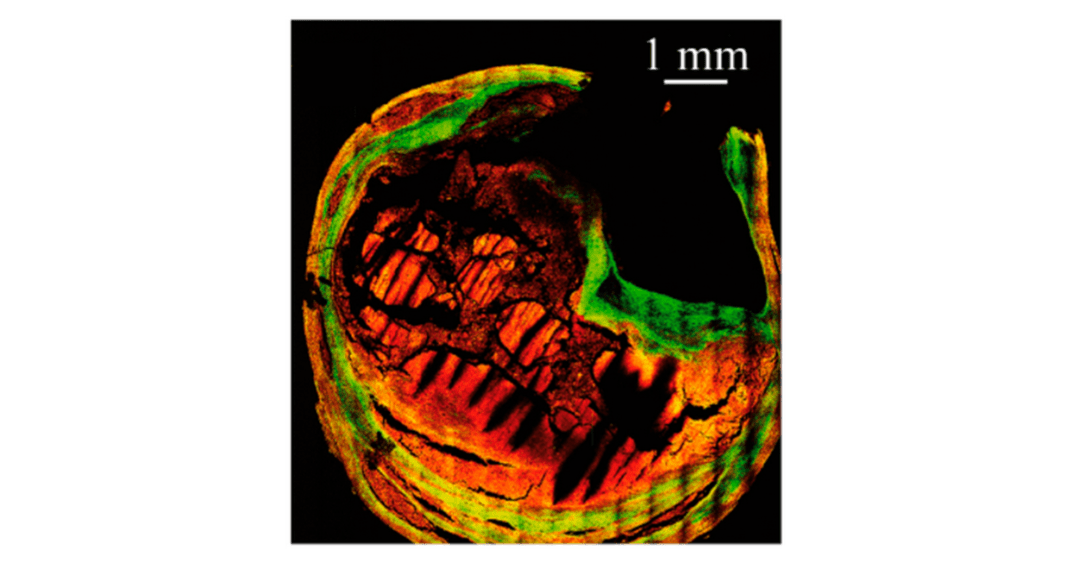
Cover Image: Multiphoton (red) and Second Harmonic Generation (green) image of a human carotid cross-section. Used without modification under Creative Commons Attribution 4.0 International License from (Marchetti, 2019). Written by Sarah Locknar, Ph.D. From imaging...
When Benjamin Franklin coined the phrase “by failing to prepare, you are preparing to fail”, he certainly wasn’t referring to flow cytometry, which wouldn’t be invented for another 200+ years. However, the expression is apt—good sample prep is the foundational step of...
Cell migration is fundamental to a broad range of physiological processes, including embryological development, angiogenesis, tissue regeneration, wound healing, and immune responses, to name just a few. It also has a pivotal role in the pathophysiology of conditions...
Guest Authored By: Kelly Lundsten There aren’t many people left who need to be convinced that spectral cytometry, the pivotal coalescence of engineering and computational advancements that has enabled 401-5 and 506 color flow cytometry, is destined to become a...
Every year, the number of fluorescent dyes available for scientific research continues to grow, and 2025 has been no exception. Novel fluorochromes are expanding the limits of both traditional and spectral flow cytometry, as well as advancing spatial biology...