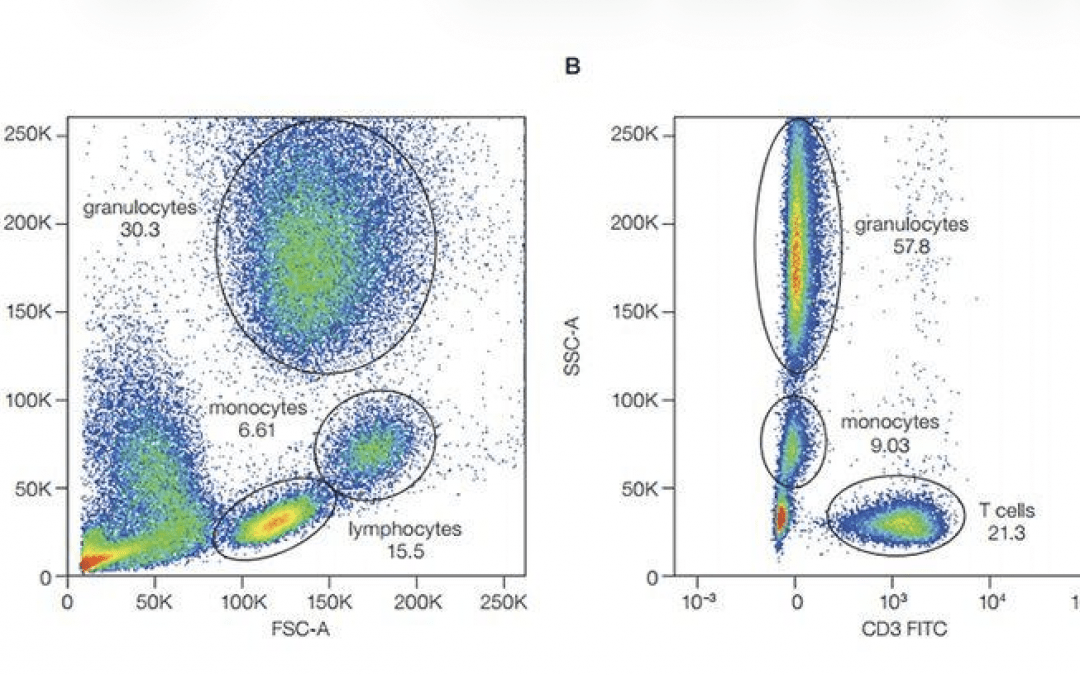
Written by Paul E. Mead, BSc (Hons), PhD, SCYM (ASCP) Clinical Flow Cytometry: Where Measurement Meets Medicine From Bethesda consensus to high-dimensional cytometry and the next era of clinical diagnostics Many consequential decisions in medicine begin with a...
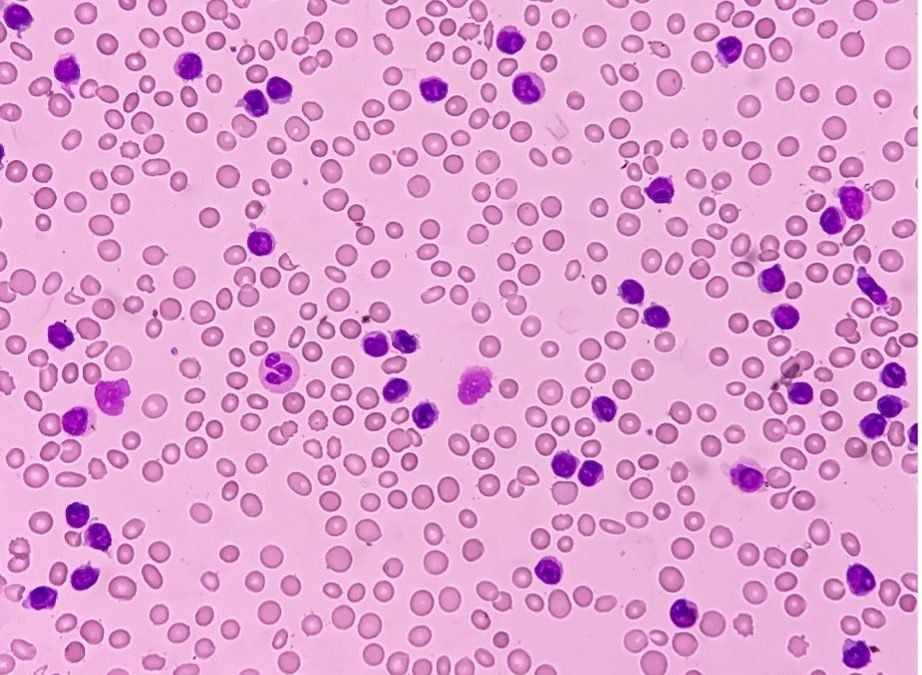
Written by Sarah Locknar IHC vs ICC vs IF: Differences in Immunolabeling Techniques What Are IHC, ICC, and IF? Immunohistochemistry (IHC), immunocytochemistry (ICC), and immunofluorescence (IF) are closely related techniques that use antibodies to detect antigens in...
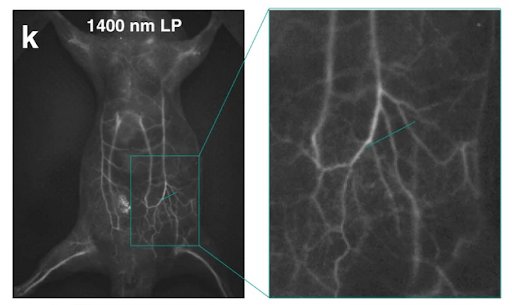
Written by Sarah Locknar The whole-body fluorescence imaging of a mouse IV-injected with the NIR-II dye IDSe-IC2F encapsulated via PEGylation, excited with 793 nm laser light. Used under CC by 4 license without modification from (Feng, 2021) Figure 8k. “Invisible”...
Written by Sarah Locknar Flow cytometry controls serve several functions. They standardize and verify instrument performance, compensate for spectral spillover, verify specificity and sensitivity of staining, and help set gates for detection. Some controls are...
Written by Kelly Lundsten It can be a challenge to navigate the reagent catalogs of vendors in the life sciences. New brand names are popping up all the time and it is difficult to know if they are truly emerging technologies or if they are simply the same chemistries...
Single-cell RNA sequencing (scRNA-seq) has transformed how researchers study cellular heterogeneity in complex tissues. However, the quality of a single-cell experiment depends heavily on sample preparation and cell isolation, particularly when working with...